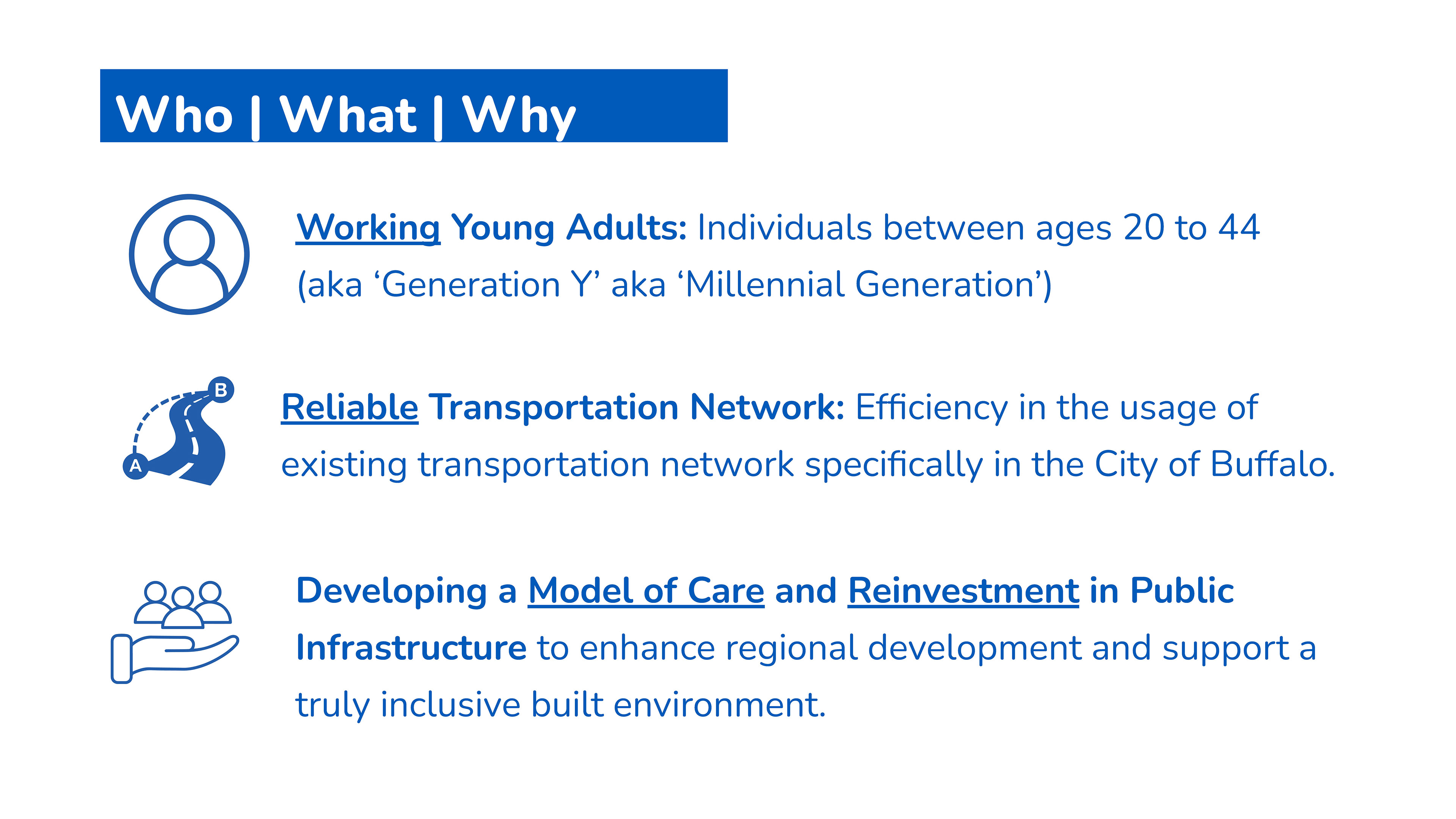
This culminating project utilizes architectural and urban planning techniques to design inclusive built environments, based on the inclusive/universal design paradigm from the IDEA Center. Inclusive design empowers the people who use products, buildings, and communities by taking their perspective and making it the central focus of the design process. Rooted in a critique of designer-centric practice and embracing an ethic of social responsibility, my proposal highlights the key focus of this paradigm on developing form from function to increase the usefulness and responsiveness of our physical world for a wider and more diverse range of people to improve existing transportation infrastructure in Buffalo, New York.
Reconfiguring Buffalo's public transit system to help people reach places faster.
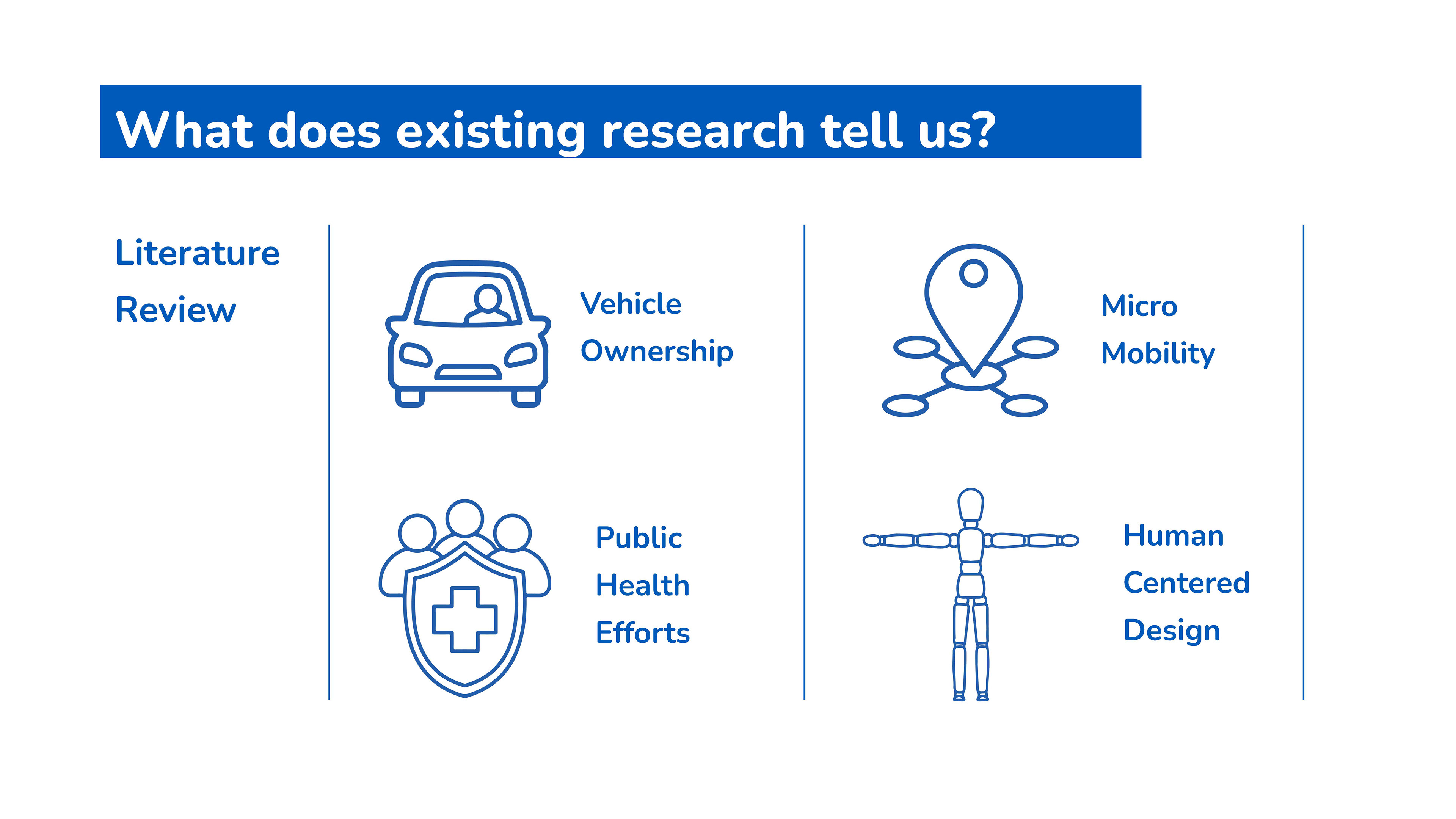
The proliferation of private vehicle ownership has led to overburdened road networks, raising concerns about safety, environmental impacts, and public well-being (Altsybeeva et al., 2023). Additionally, urban infrastructure often lacks adequate walking and cycling facilities, underscoring the need for social support systems and environmental designs that promote non-driving behaviors (Simons et.al., 2017). Although, there is a recognized relationship between obesity and active transportation, public health efforts to bridge this gap remain insufficient, particularly due to a lack of population-level initiatives and supportive environments (Gordon-Larsen et.al., 2005).
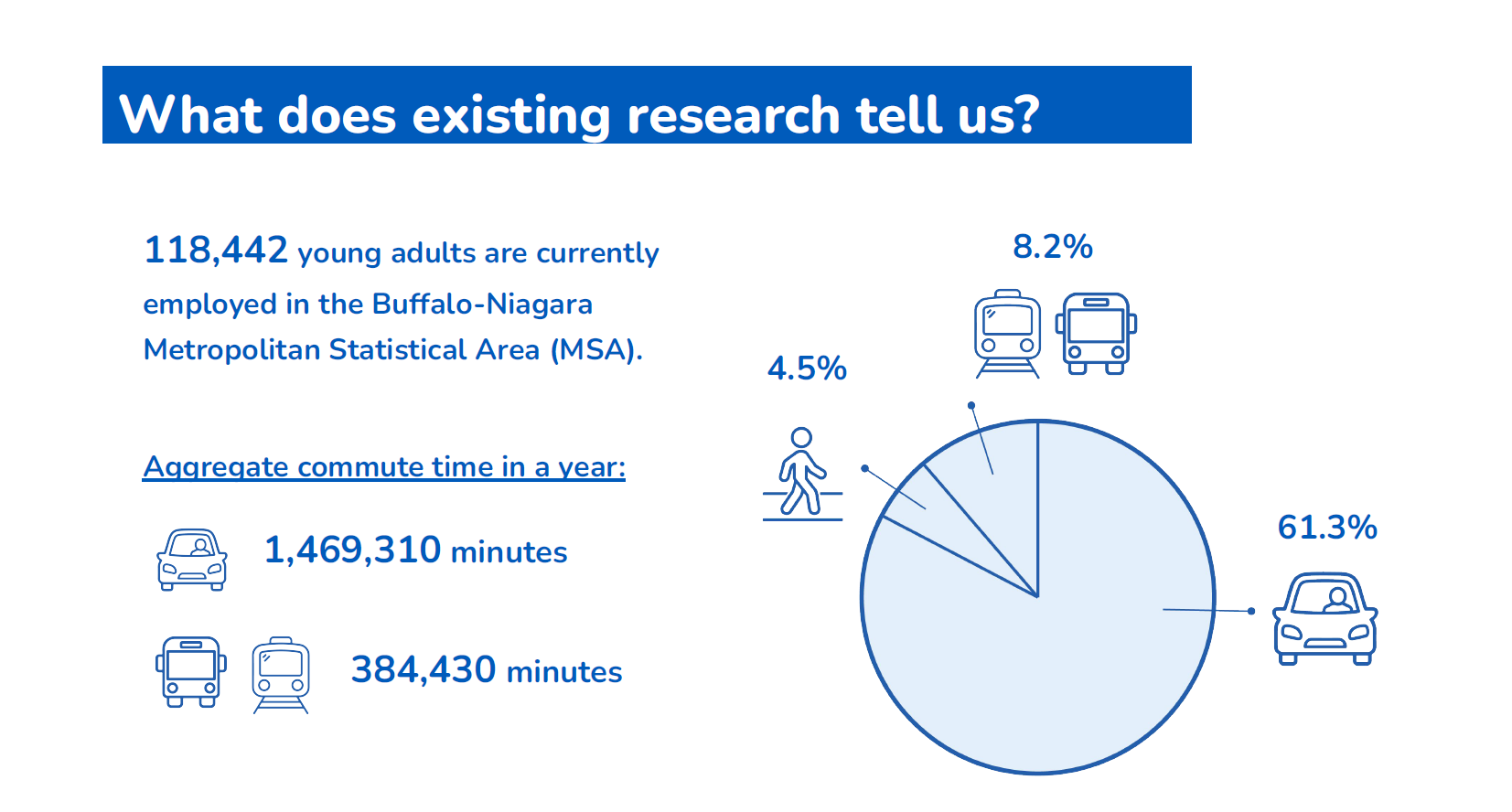
Keeping this in mind, this research study examined travel behaviors among working young adults, often used to describe the population from ages 20 to 44 years, in the Buffalo-Niagara Metropolitan Statistical Area (MSA). This demographic comprises of 118,442 employed individuals, out of which 46,310 individuals commute by car and 6,236 individuals use public transportation (ACS 5-year estimates, 2023). Public transit users utilizing the Niagara Frontier Transportation Authority's (NFTA) bus and metro services spend 348,430 minutes travelling in a year, which is significantly less than the 1,469,310 minutes accrued on the road by drivers (ACS 5-year estimates, 2023).
Evidence shows that there is a significant reliance on the currently existing public transportation by this important contributor of the regional economy. However, there are very few provisions to support ease of travel for this population, thereby preventing them from leading fulfilling lives. This proposal aims to address these challenges by exploring strategies to enhance sustainable transportation options and improve urban mobility for young adults, thus contributing to a healthier and more efficient urban environment.
Identifying needs for inclusive redesign through focused interviews
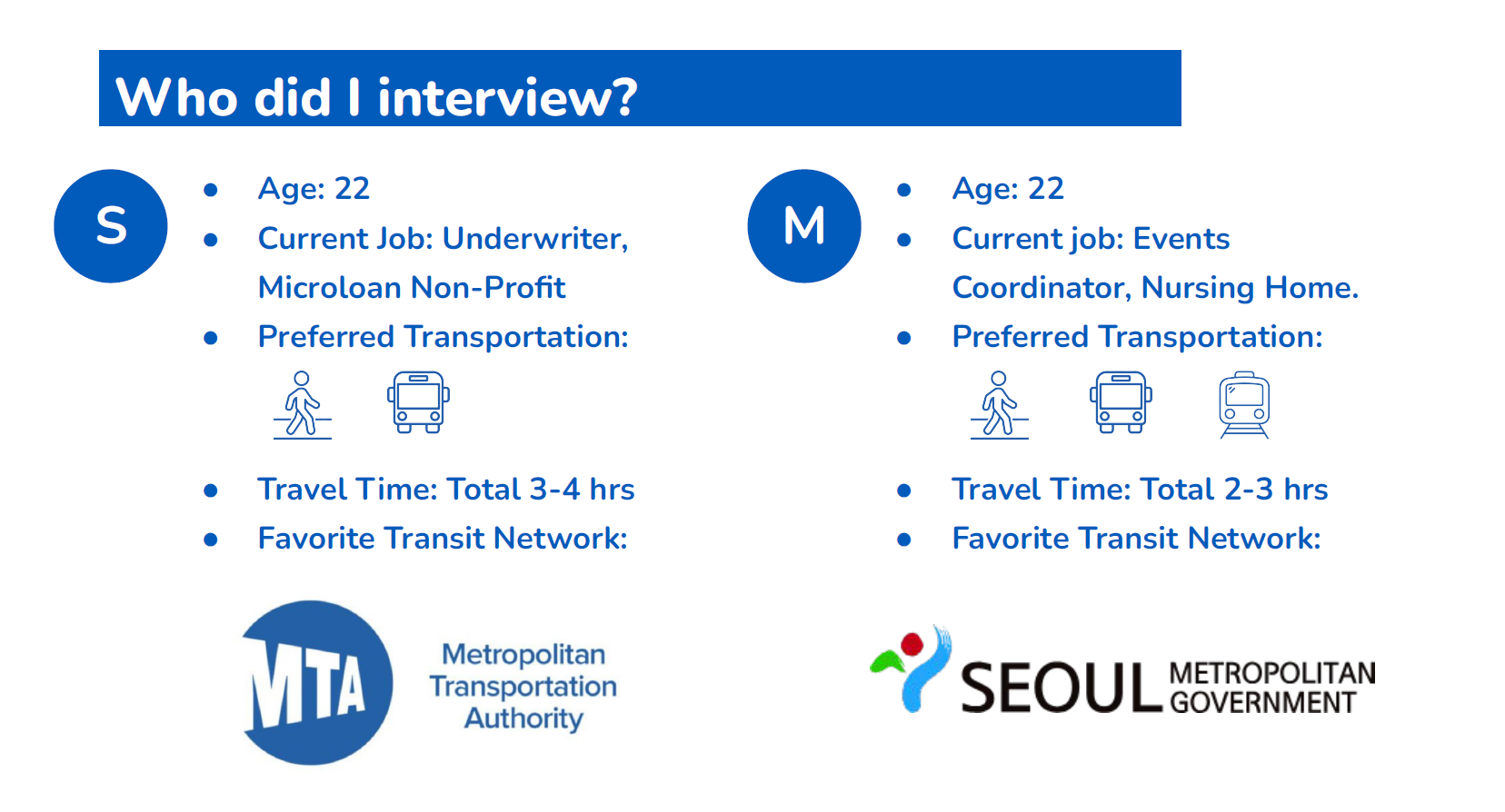
Two early career young adults, aged 22 years, were interviewed in great depth about their experiences and needs when using the NFTA Bus and Metro services. These individuals do not own a personal vehicle and rely heavily on the available public transit services to travel varying distances within the City of Buffalo.
Key Insights:
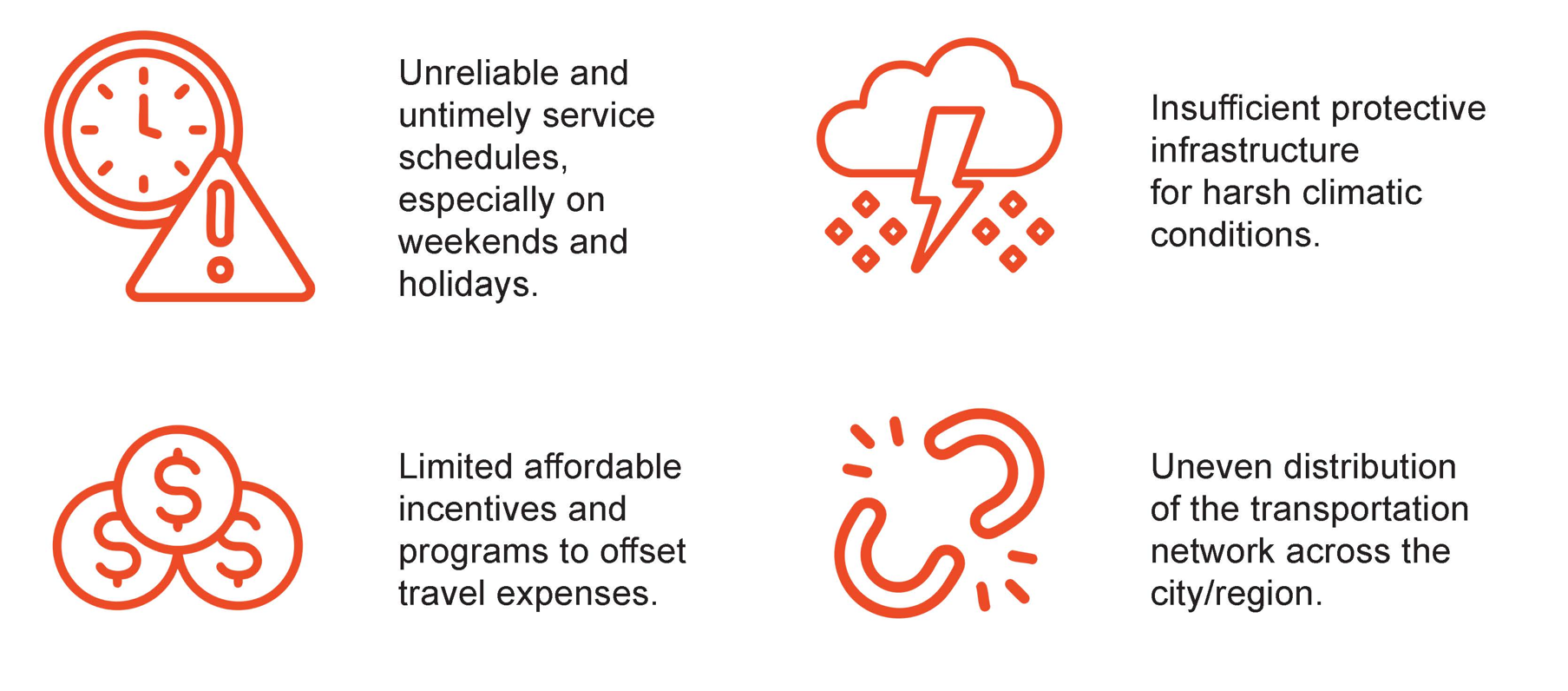
Learning from precedent studies
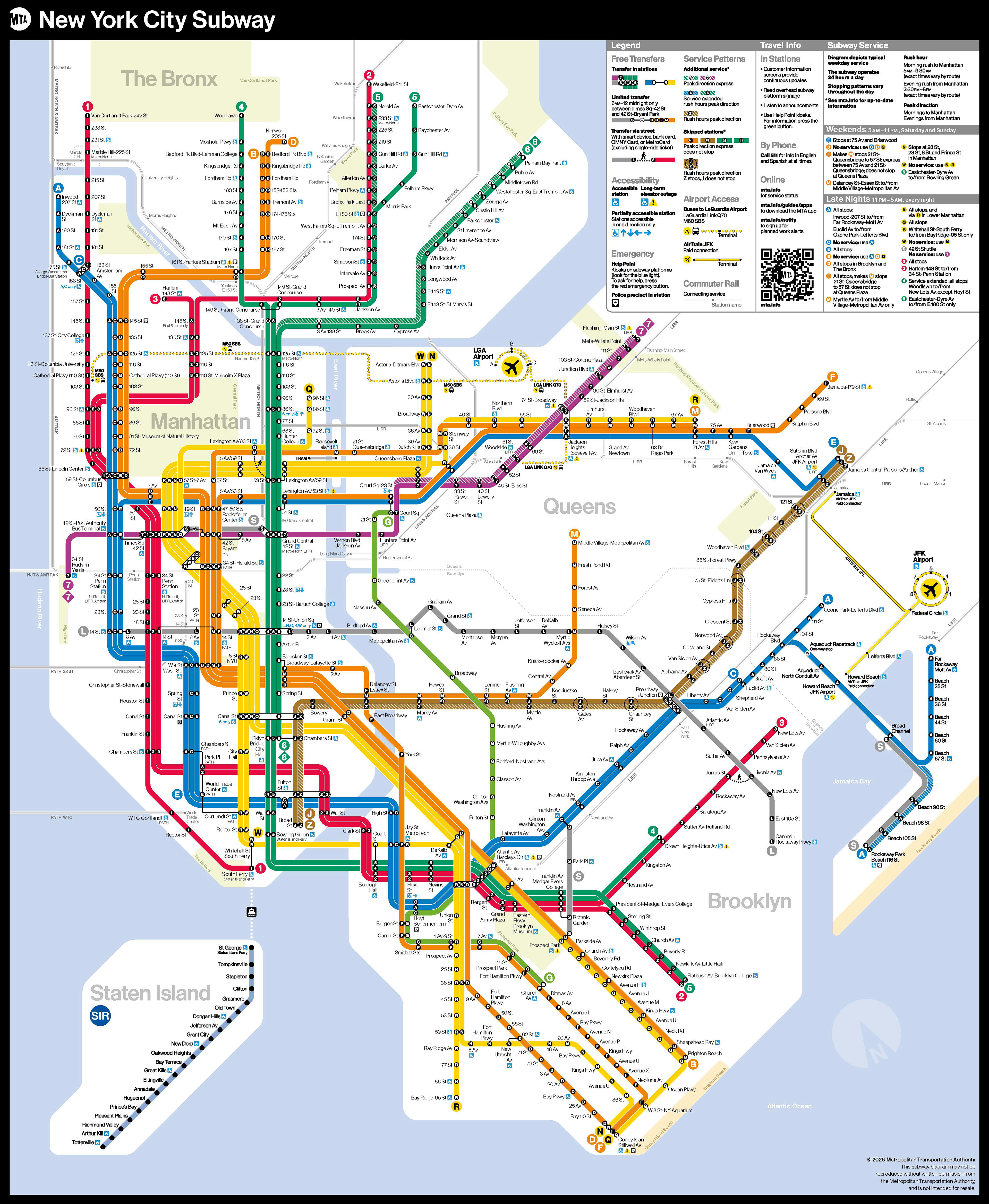
Interviewees were also asked to identify their favorite transit system(s) based on memorable experiences in the past, and briefly describe them to better understand the perceived components of a successful urban public transit network. These insights guided the exploration of route optimization and urban design strategies for the proposed intervention based on the following precedent studies.
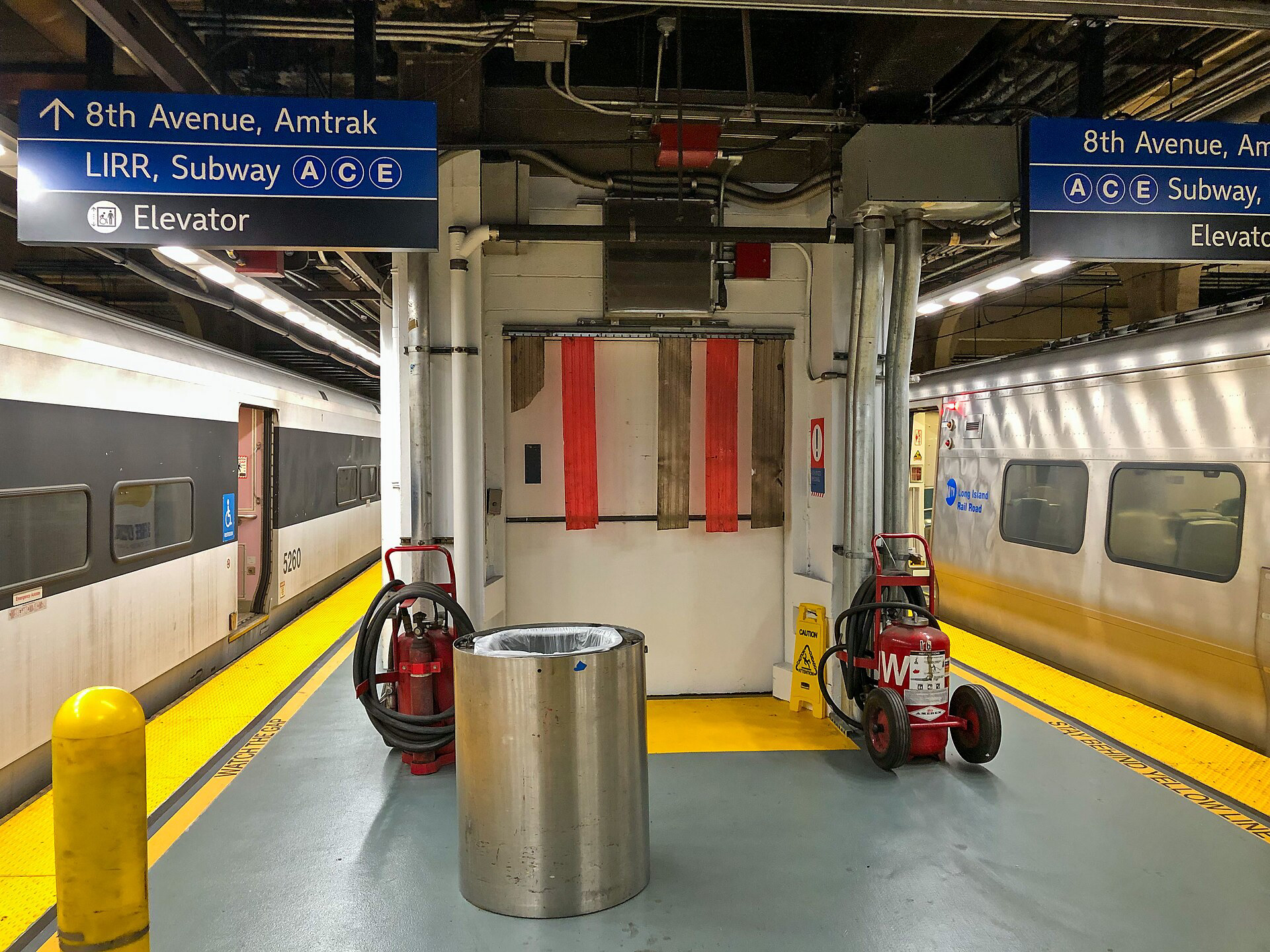
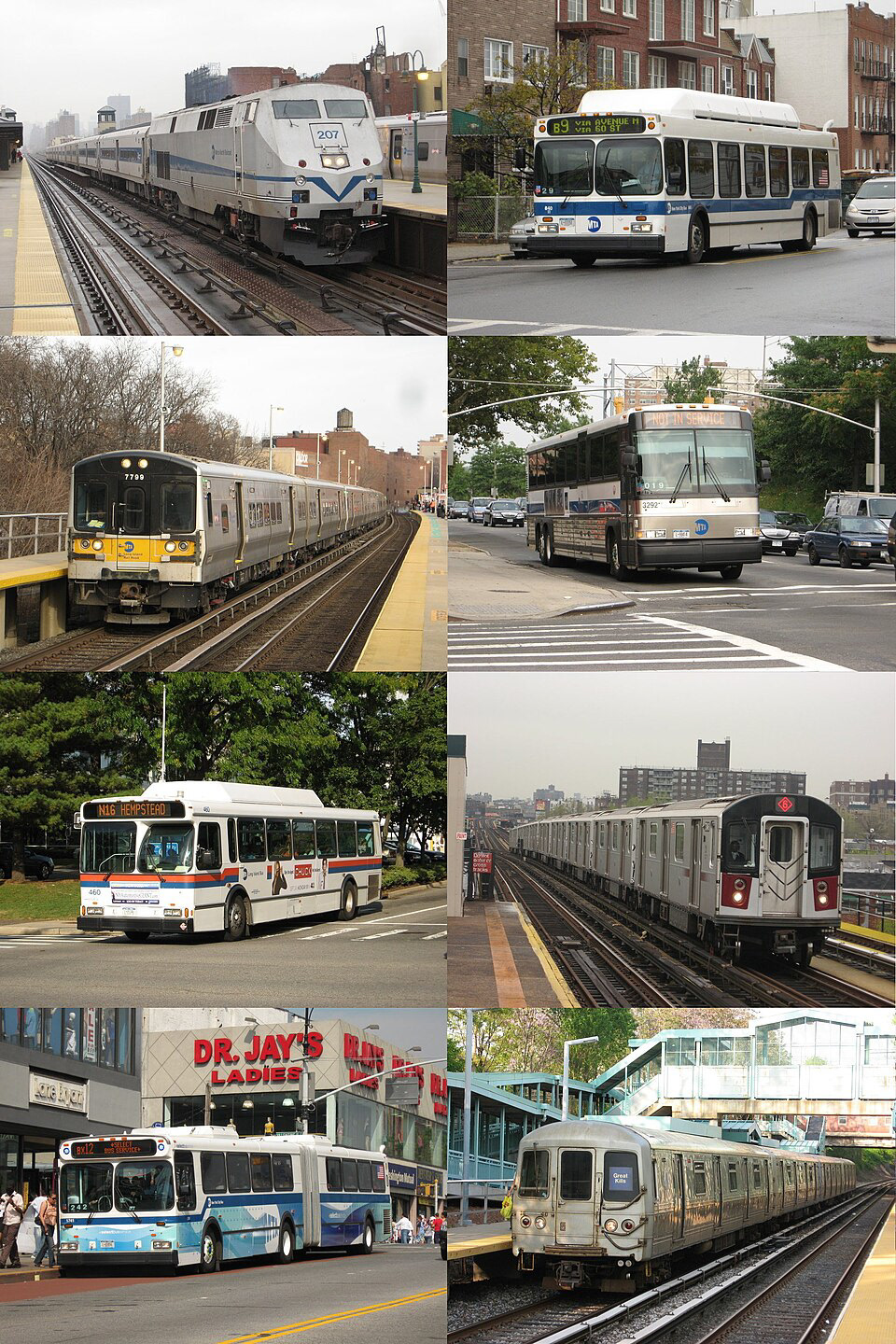
Metropolitan Transit Authority (MTA), New York City, United States.
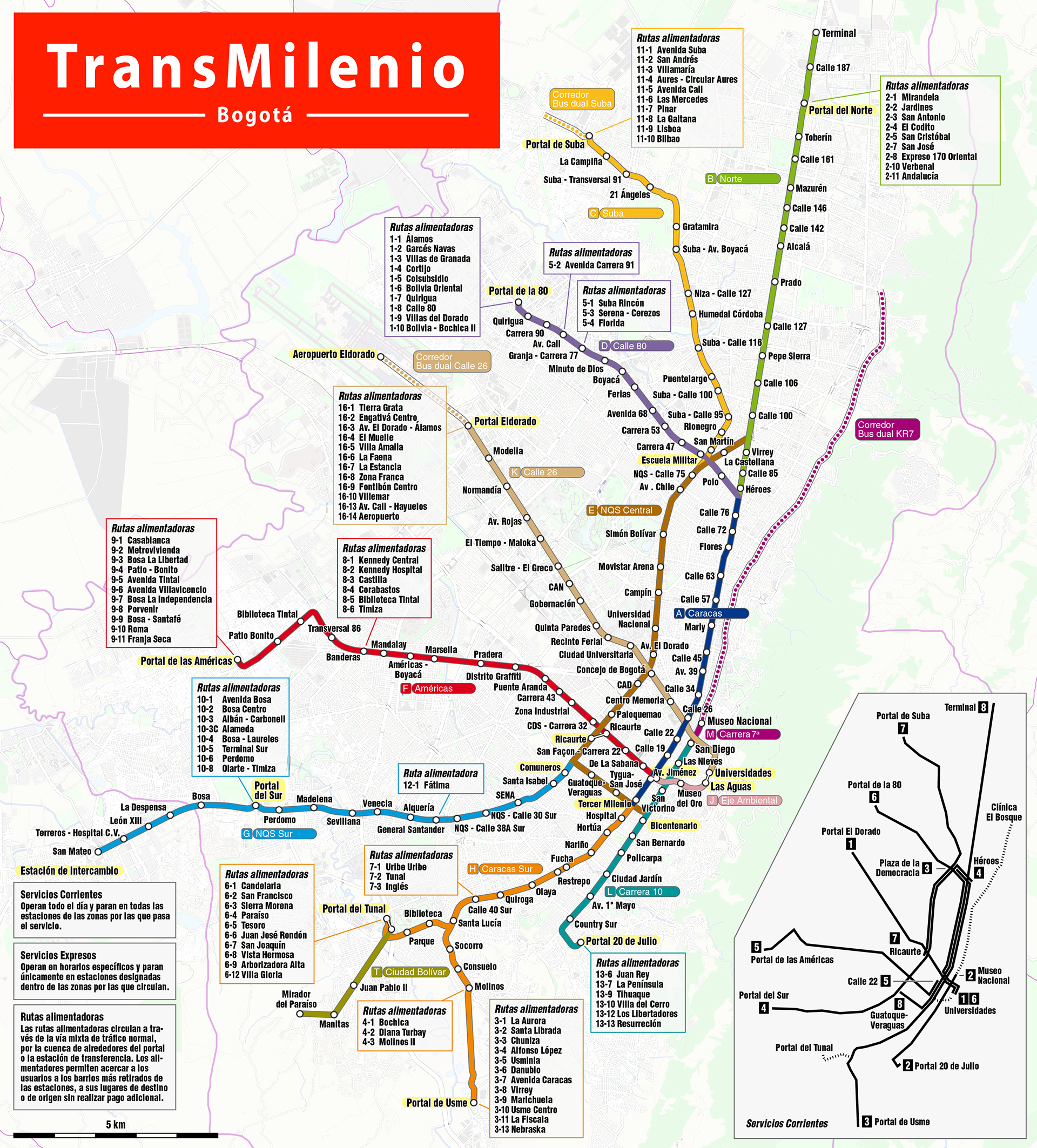
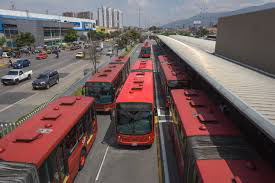
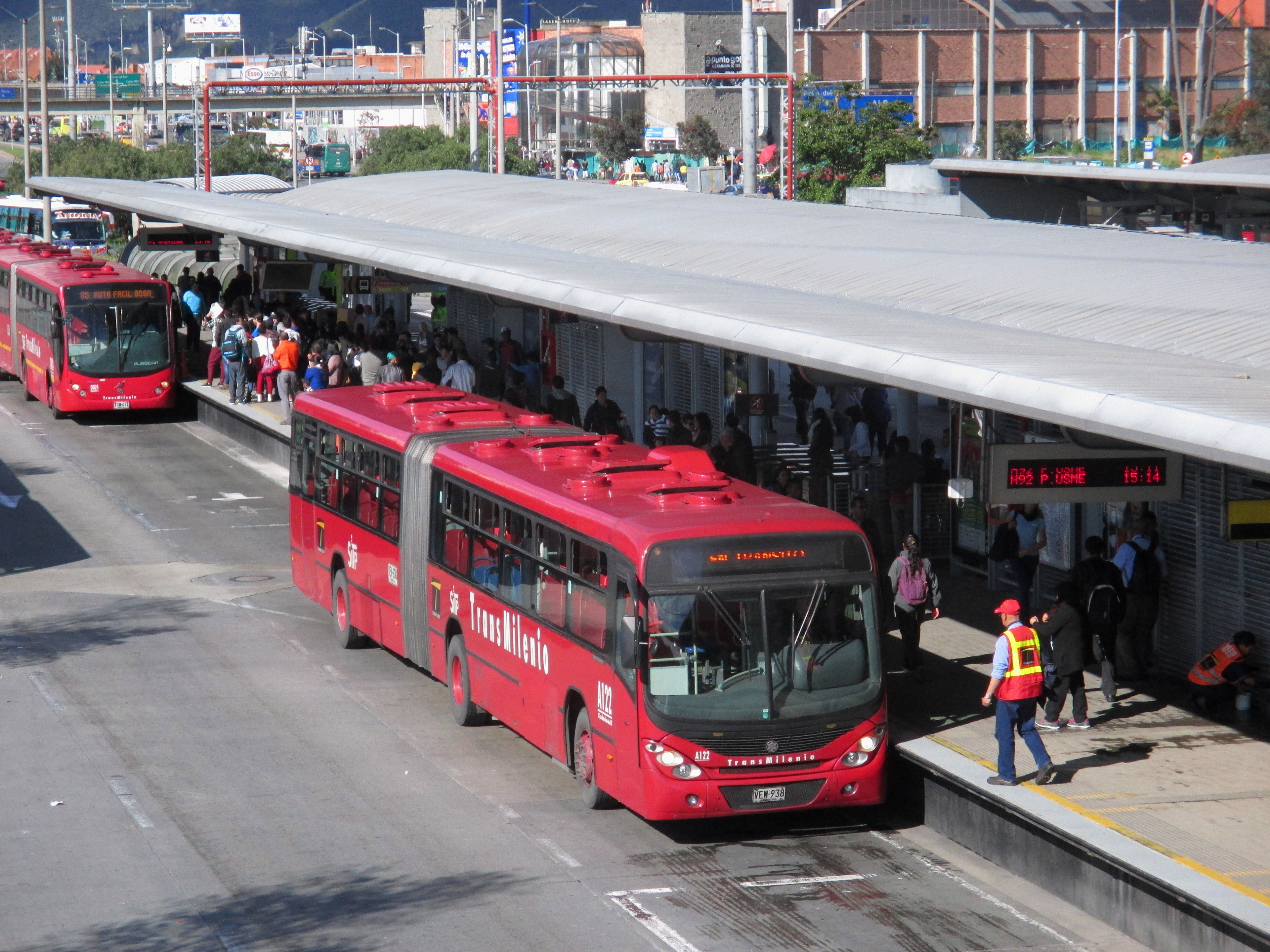
Transmilenio S.A., Bogota, Cloumbia.
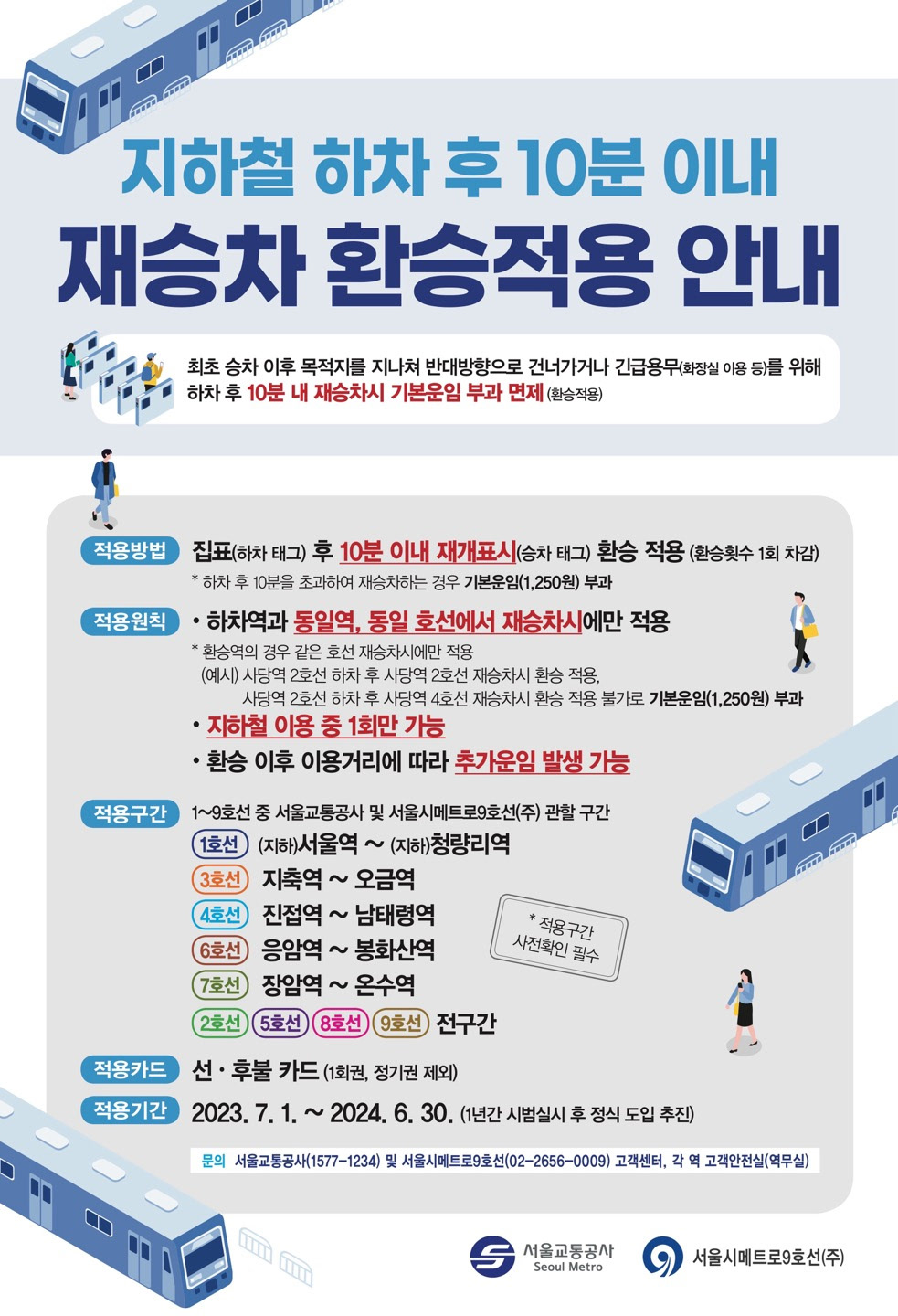
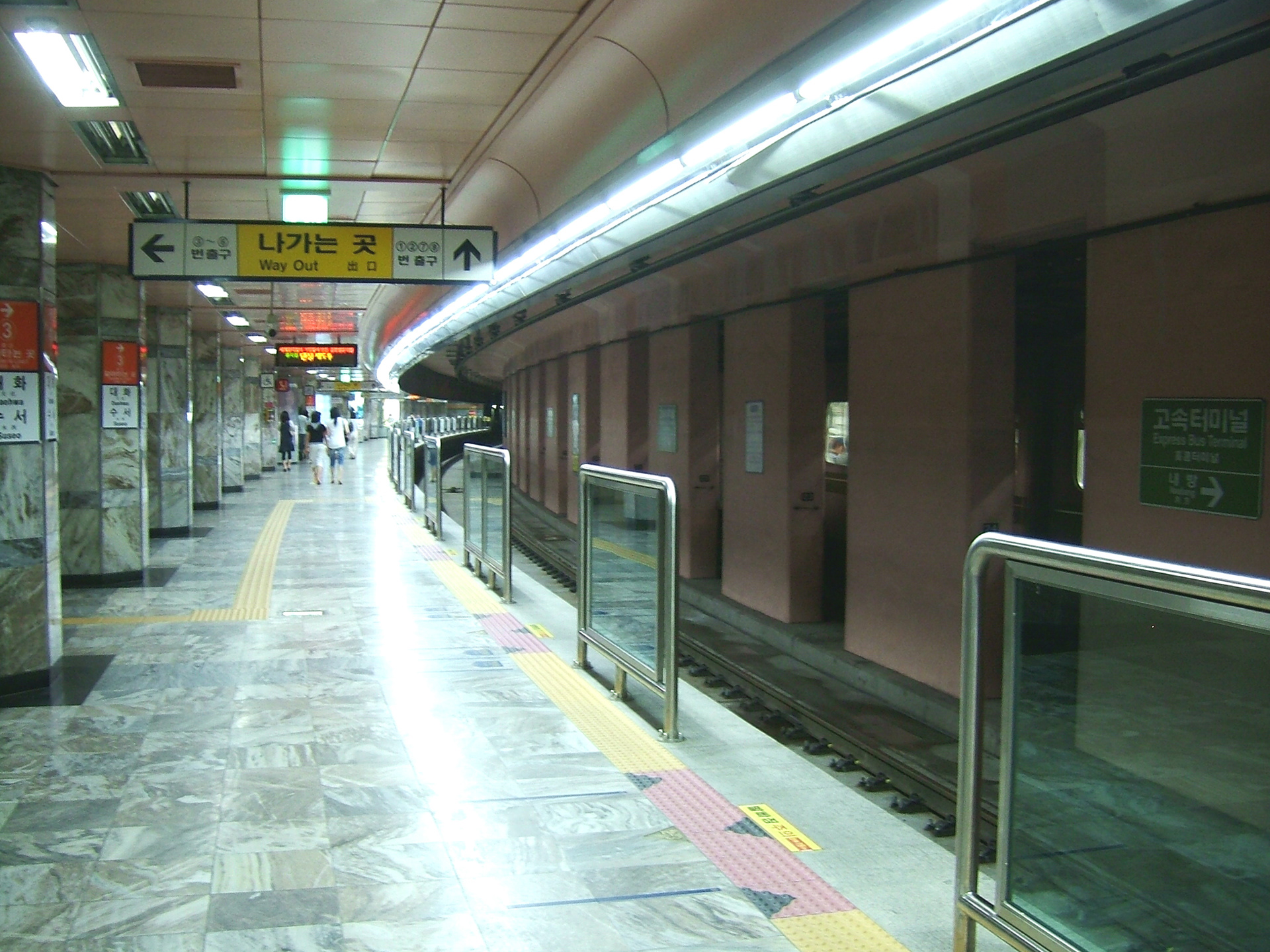
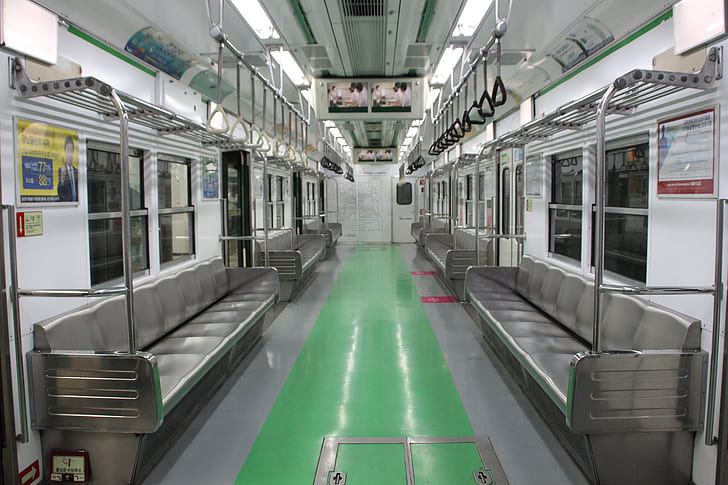
Seoul Metro, Seoul, South Korea.
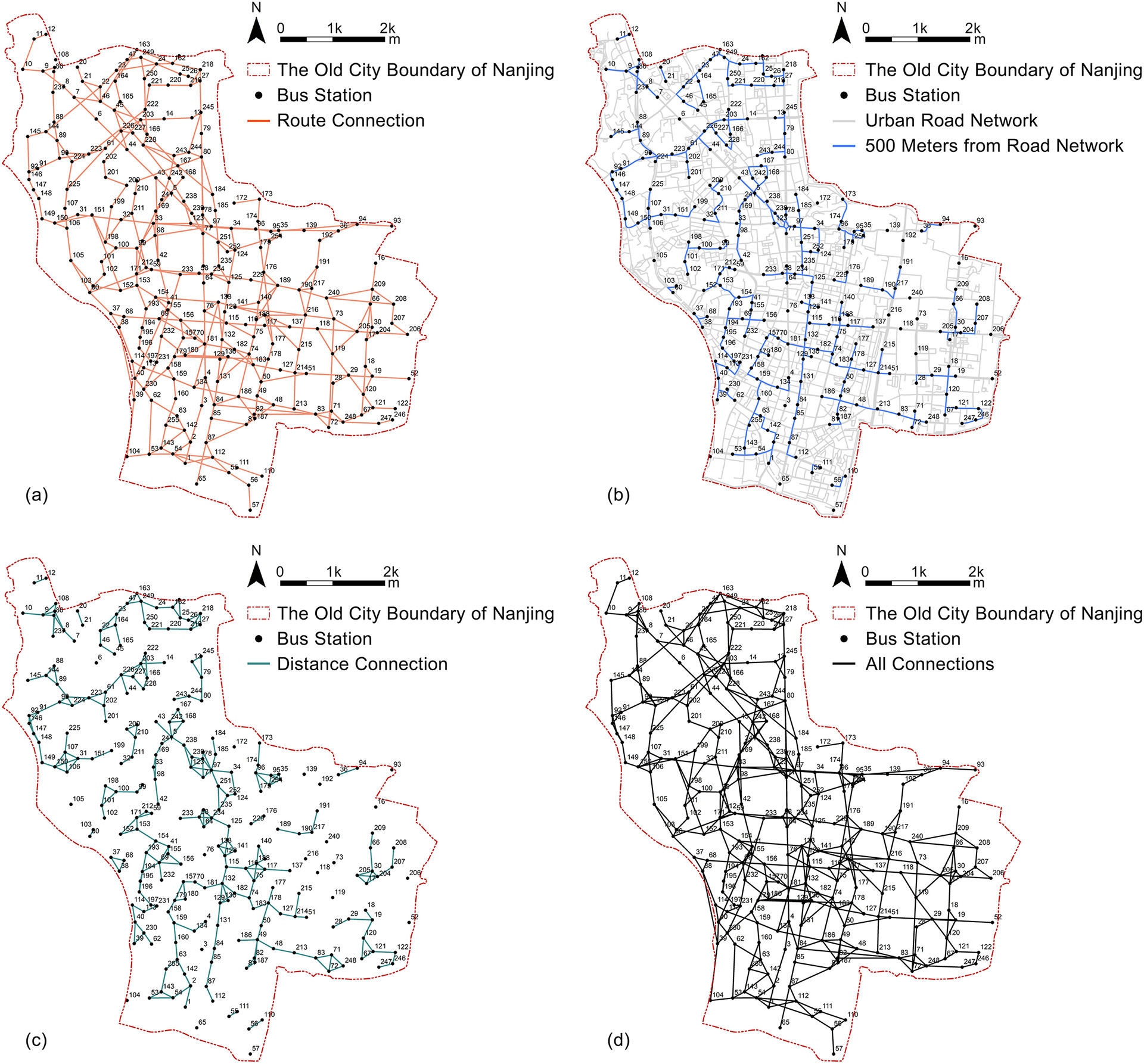
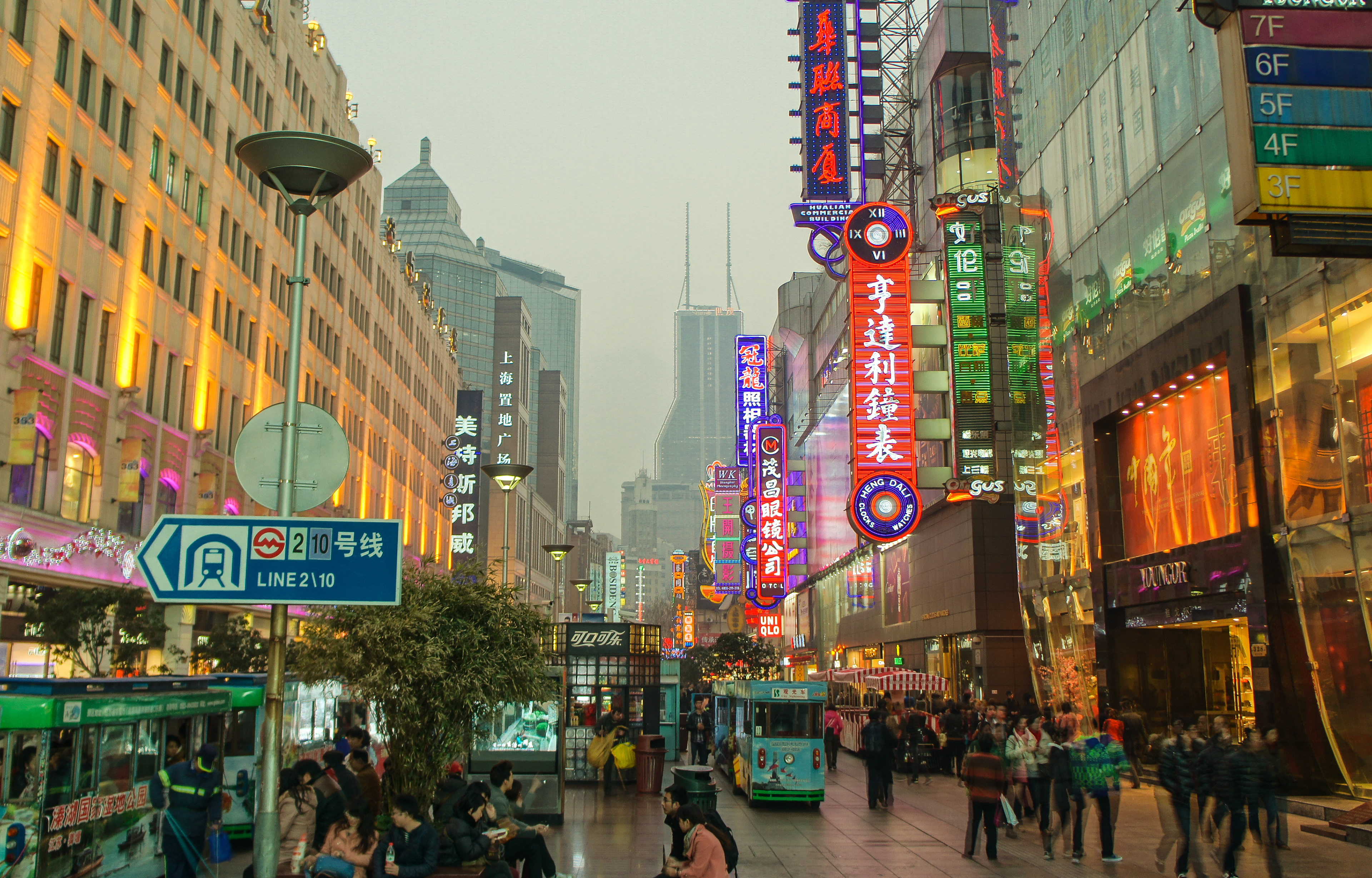
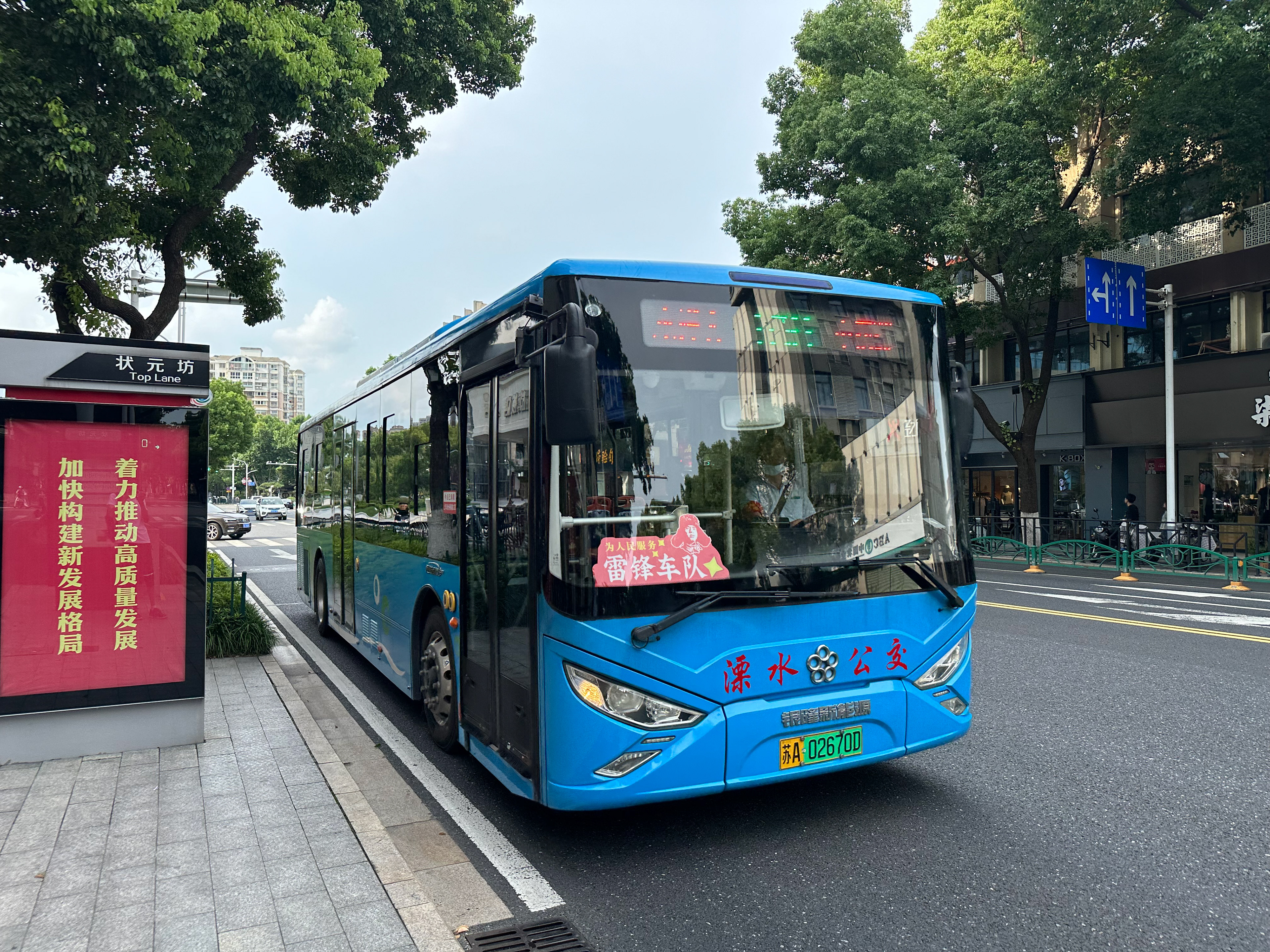
Nanjing Public Transportation, Nanjing Old City, China.
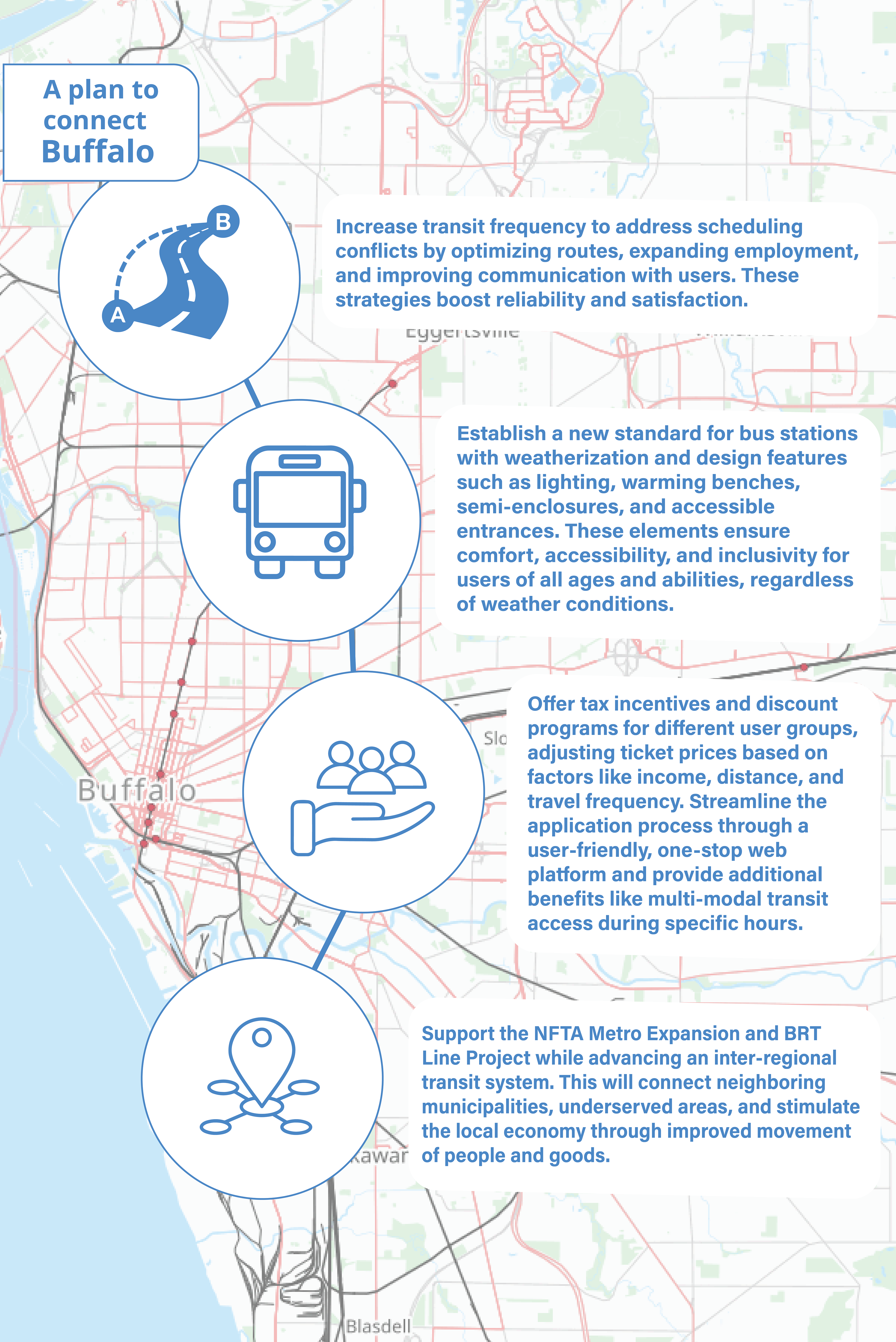
Proposed intervention: A plan to connect Buffalo
How does this relate to the 8 universal design goals?
Body Fit : Optimizing transit routes and ensuring accessible bus station designs accommodates users with diverse physical abilities and enables ease of travel.
Comfort : Increased transit frequency reduces waiting times and delays, while bus station features like warming benches and weatherization enhances comfort of users.
Awareness : Improved communication with transit users and a user-friendly, streamlined discount application system enhances awareness of services and benefits.
Understanding : Simplified ticket pricing, intuitive web platform and clear station layouts enhances usability and increases understanding of frequent customer perks.
Wellness : Weatherized stations and frequent, reliable transit services promotes physical and mental well-being by providing safer and stress-free travel.
Social Integration : Tax incentives, equitable ticket pricing, and inter-regional connectivity supports all user groups, encouraging social and economic participation through inclusive transit system.
Personalization : Flexible ticket pricing options and customizable travel modes during specific times allows users to tailor their daily transit experience.
Cultural Appropriateness : Supporting equitable infrastructure projects like the expansion reflects a commitment to the broader regional community while fostering a culture of care and trust.