Architecture approximates the forms of the human body -- its size, its movements, its relationship to other bodies (human, animal, and inanimate) -- while also providing protection from and kinship with the world around us. Stairs, windows, doors, and guardrails are clear examples. Even the materials that we use to construct buildings -- bricks, lumber, steel angle, etc. -- get their sizes from the dimensions and physical limits of the human body.
Buildings also influence how we see and hear, eat and sleep, mourn and heal. Religious, civic, and monumental buildings often embody the highest ambitions of architects and the public. This studio, however, argued that modest buildings -- in size, budget, or use -- can capture the mind, evoke emotions, and touch the spirit more immediately than ostentatious buildings.
In addition to the more obvious aspirations in sacred or honorific architecture, the architect has an opportunity and, arguably, a responsibility to elevate the material and spatial qualities of schools, clinics, and factories; even barns and boathouses. This can yield function with delight, humanity, and beauty, beyond the banal, conventional, and routine. Through a series of spatial and material transformation, the tandem cloud gazing bench for all is testament to this hands-on exploration and peer learning through a game-like introductory design method to materials, building components, and programming.
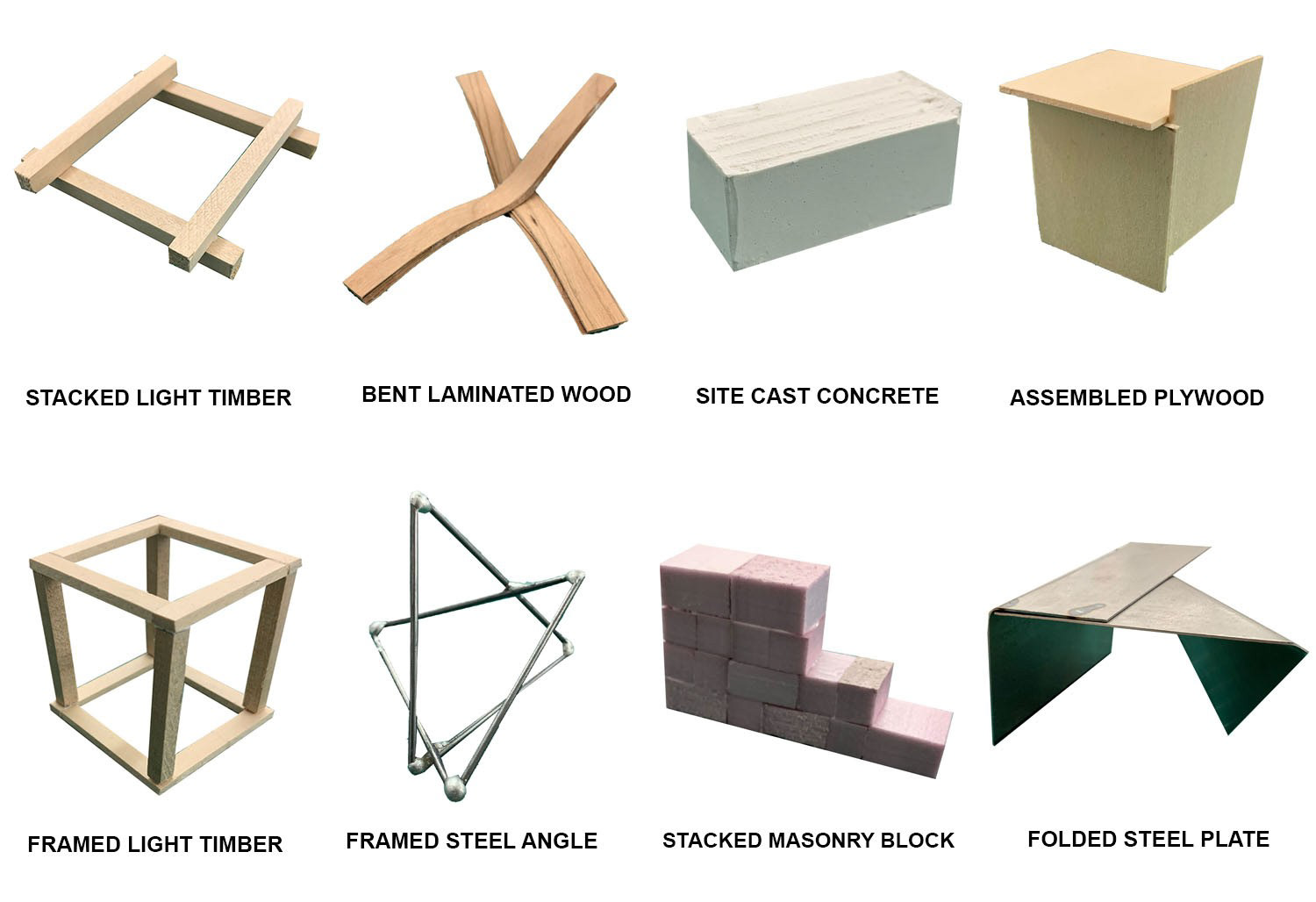
Stage 1: Material Studies
Stage 2: Anthropometry, Clouds, and Programmatic Schemes
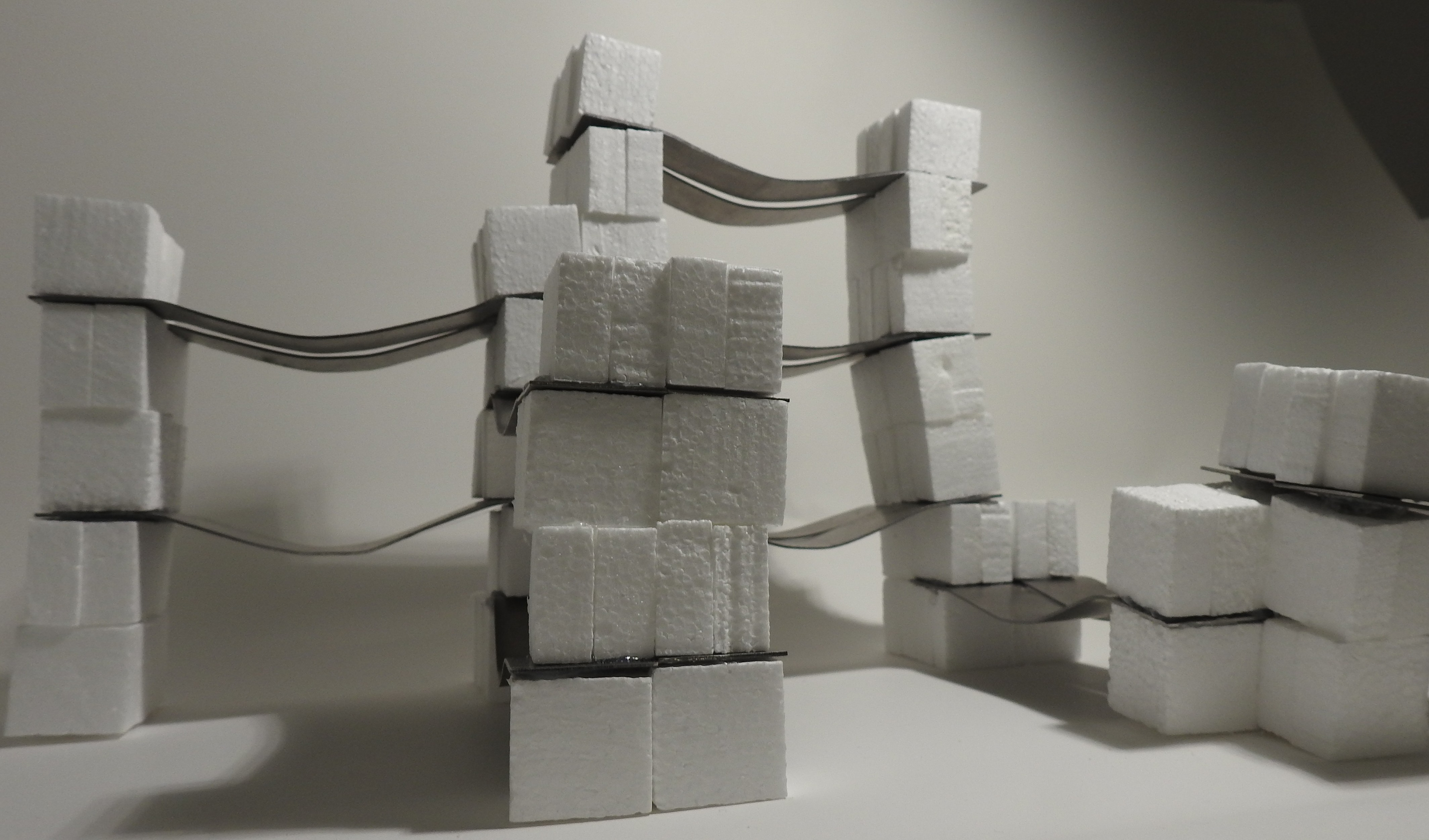
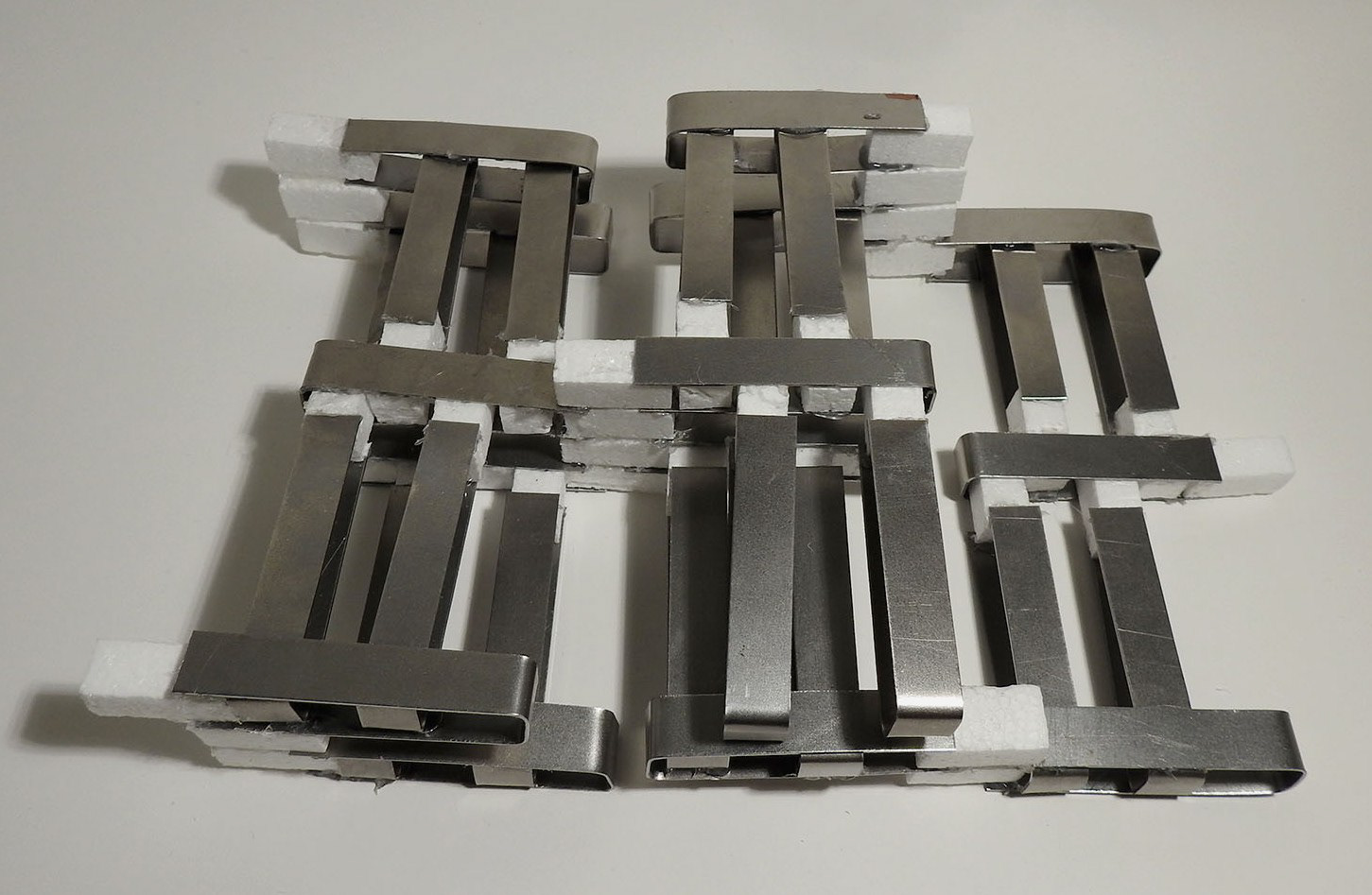
A specialized architectural research was conducted to create a comfortable bent laminated wood and folded steel plate foundation/floor and aperture system for 1-2 people to cloud gaze together. This was done in three sub-parts:
Part 1: Anthropometry, studying human proportions with respect to specific action(s).
Part 2: Clouds and Cloud gazing, understanding how various dimensions of clouds in a geographic area can influence an individual's approach to cloud gazing.
Part 3: Material Studies, evaluating the combination of two selected materials and assessing the best method for integrating them to create our full-scale design.
Part 2: Clouds and Cloud gazing, understanding how various dimensions of clouds in a geographic area can influence an individual's approach to cloud gazing.
Part 3: Material Studies, evaluating the combination of two selected materials and assessing the best method for integrating them to create our full-scale design.
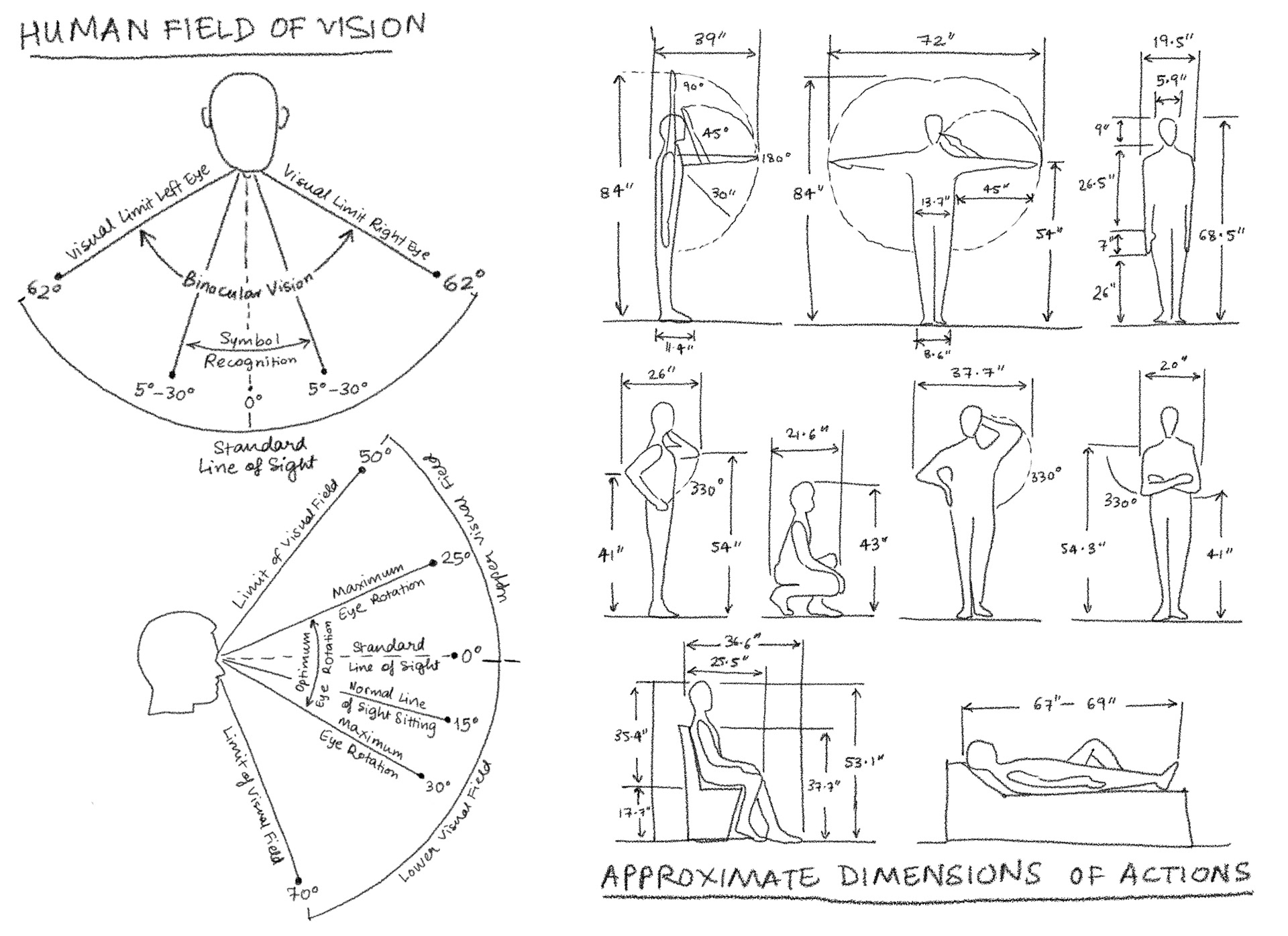
Sketching references of approximate field of vision and action dimensions
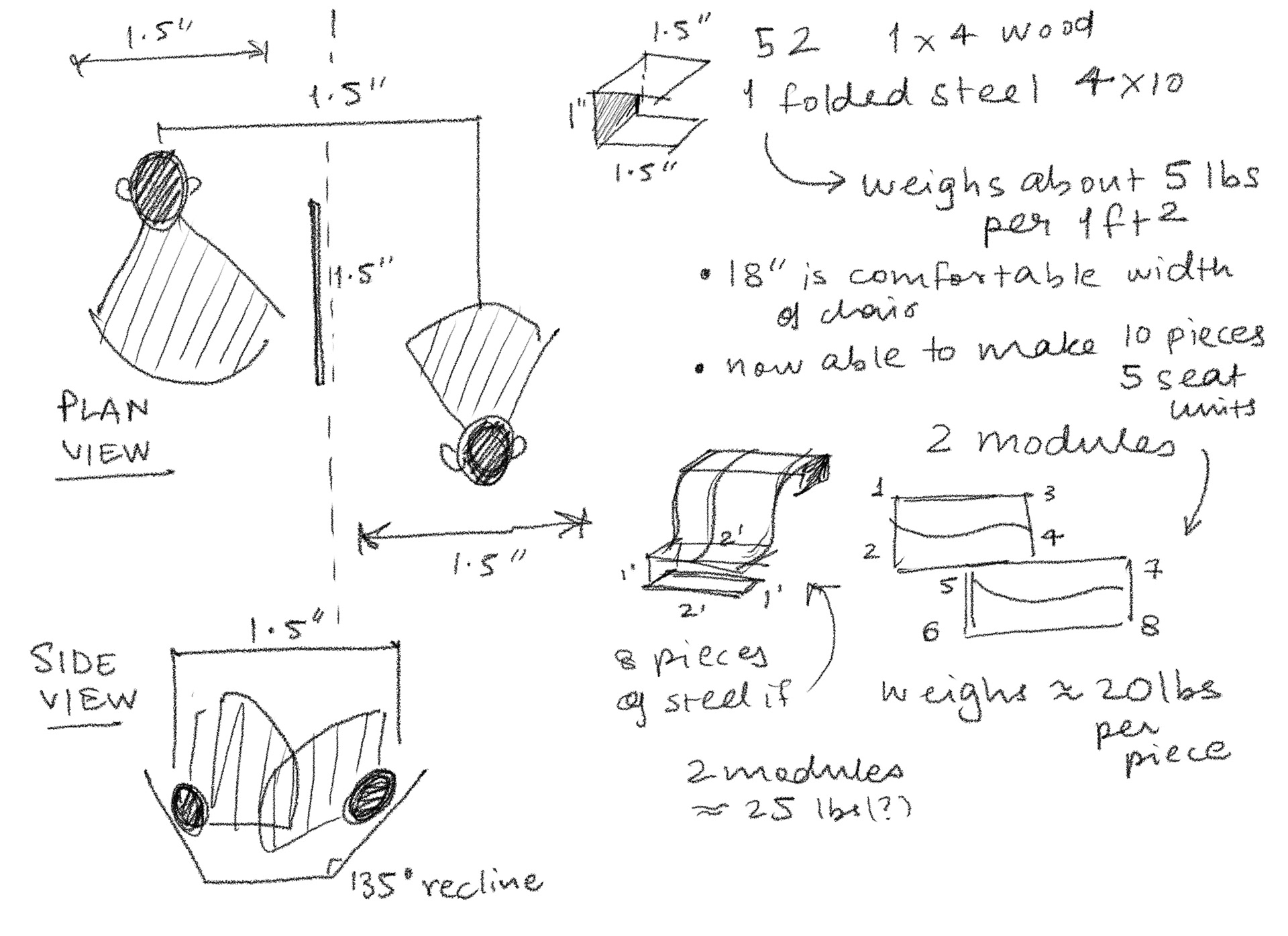
Calculations based on visibility, available materials, and average body sizes
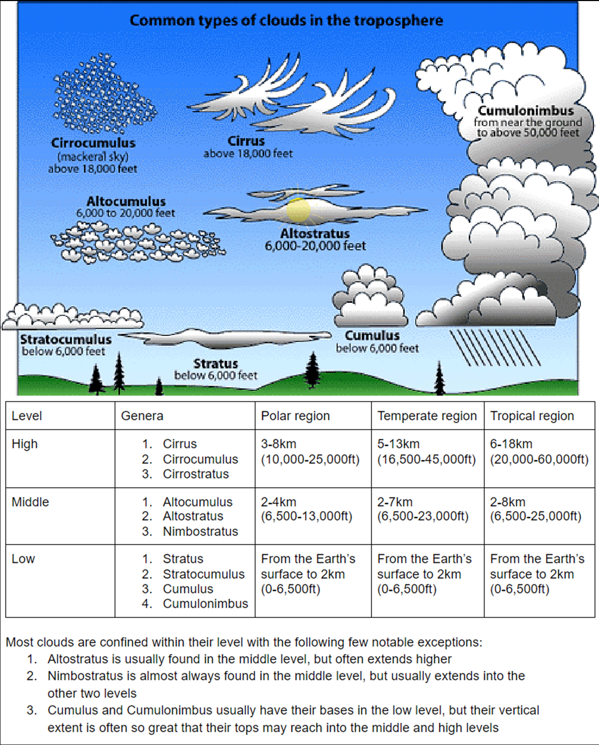
Overview of observed cloud structures and their altitudes by Center of Science Education
Factors that affect the appearance of a cloud:
Dimensions, Shape, Structure, Texture, Luminance, Color.
Dimensions, Shape, Structure, Texture, Luminance, Color.
Main ways to approach cloud gazing:
"Dreamy"
(a) a moment of meteorological meditation
(b) propping chin against hand and watching shaped drift across the sky as you think poetically
(a) a moment of meteorological meditation
(b) propping chin against hand and watching shaped drift across the sky as you think poetically
"Geeky"
(a) trying to make sense of the sky through observational study
(b) cloud identification by assessing their altitudinal level
(a) trying to make sense of the sky through observational study
(b) cloud identification by assessing their altitudinal level
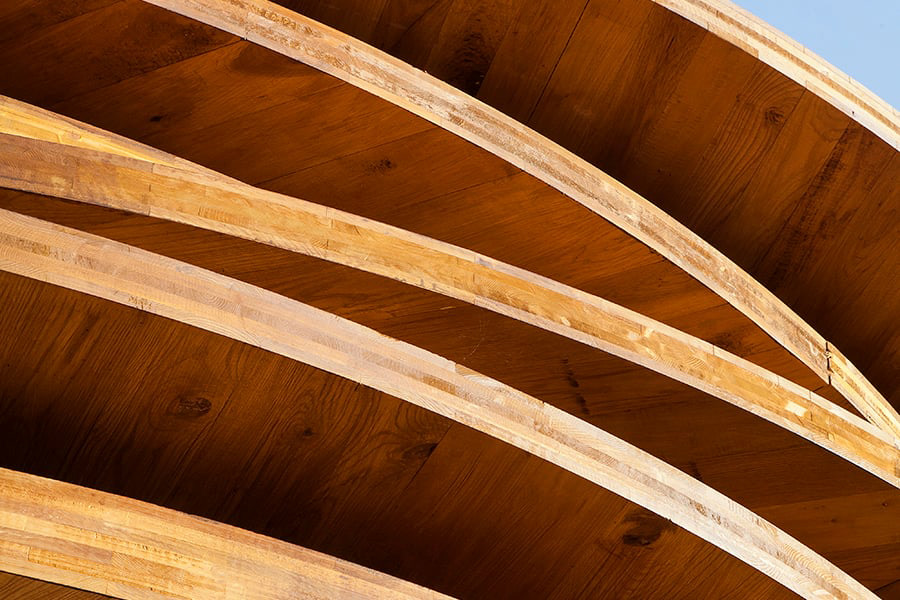
Hardwood cross-laminated timber by IKD
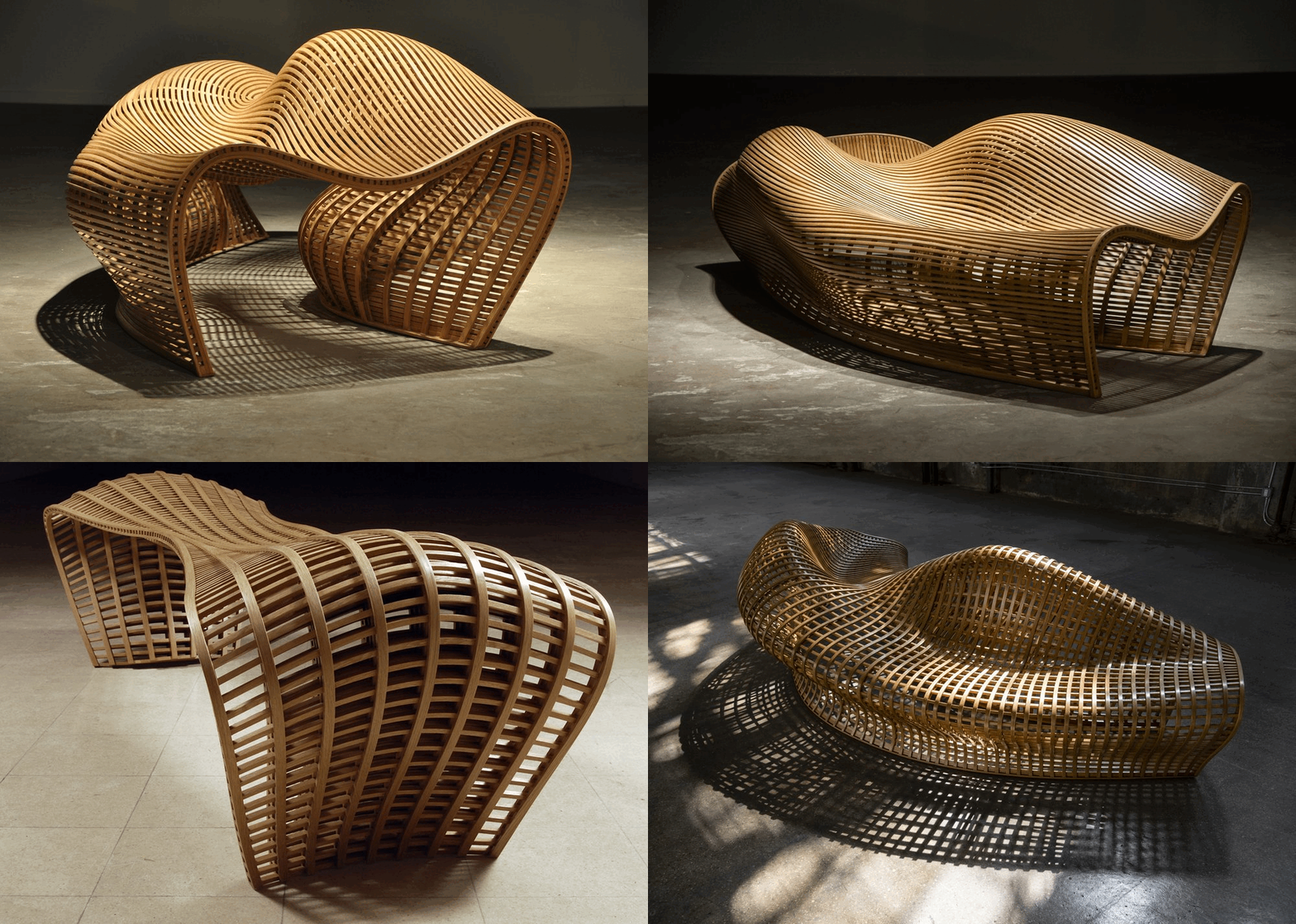
Benwood seating and sculpture by Matthias Pliessnig
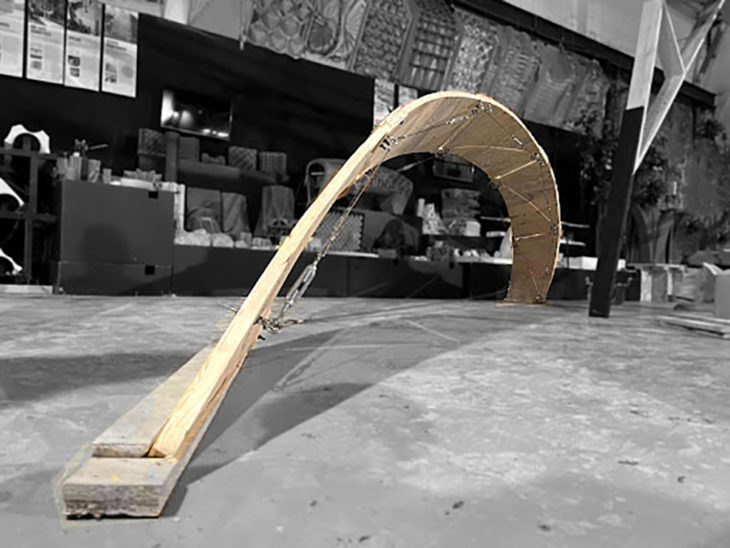
Curved cross-laminated timber by IAAC
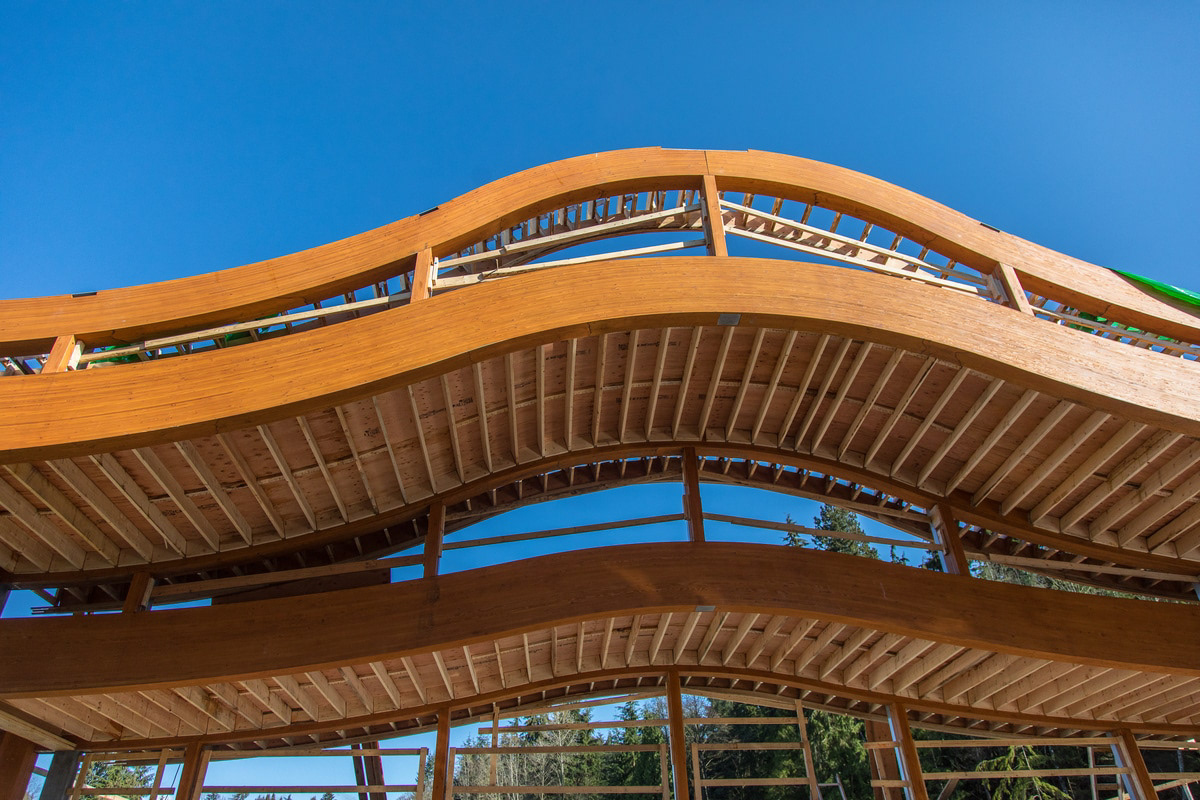
Glue-laminated timber (glulam) by KK Law
Bent Laminated Wood: provides warm, natural look and feel that connects our design to surrounding environmental conditions. It is stronger than steam bent wood since it follows the curve and grain of the wood. The addition of more layers will ensure that there is less spring back during assembly. However, it requires more labor and time to shape the wood and oftentimes, glued connections are visible to the naked eye.
For this design, we used Ash wood since it bends more easily compared to other timber. It can also be thermally modified to increase the strength and durability of the structure.
Folded Steel Plate: easier to adapt for modular design with easy assembly and disassembly. It serves as a strong support to the structure at different scales, while complimenting the curved form of the wood.
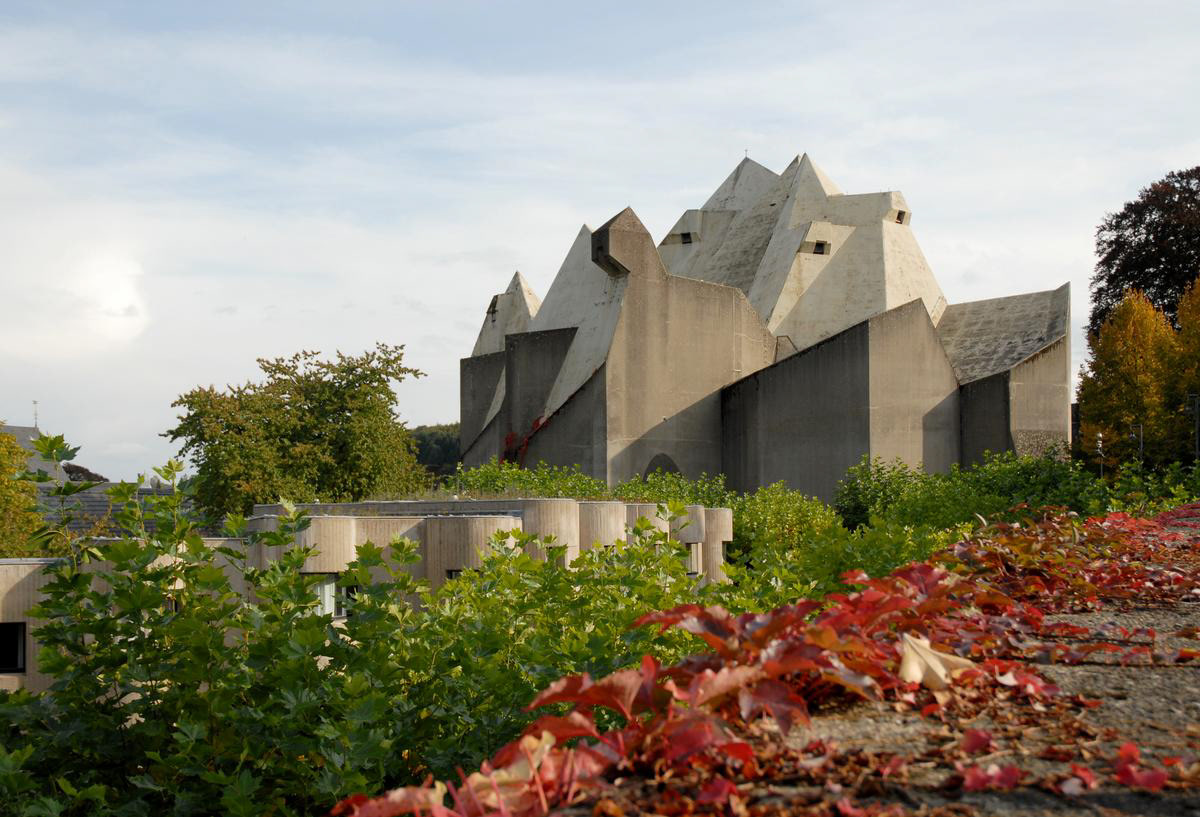
Folded metal plates exterior at Neviges Pilgrimage Church
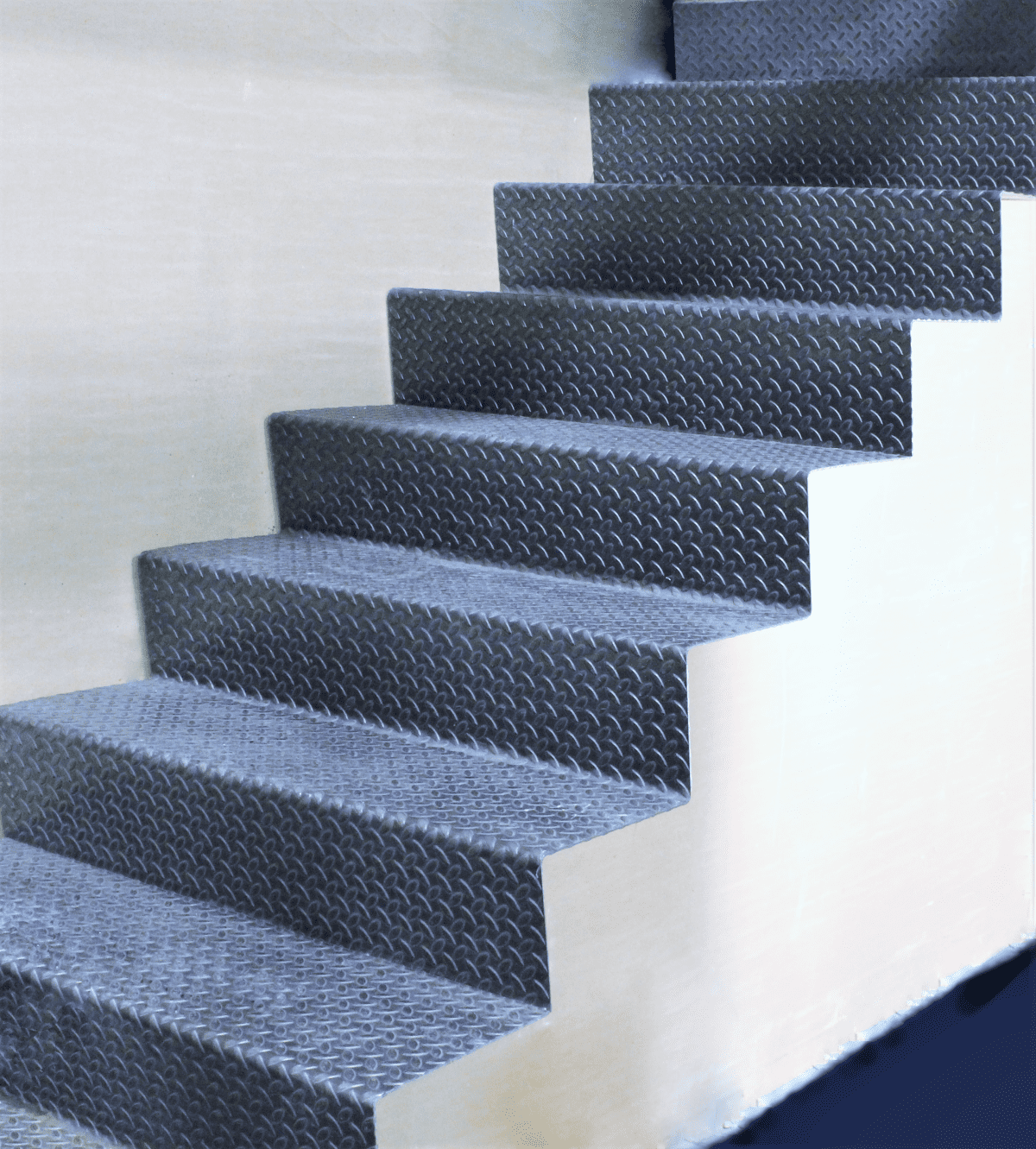
Bent Plate Monostringer Stairs by Great Lakes Metal Fabrication
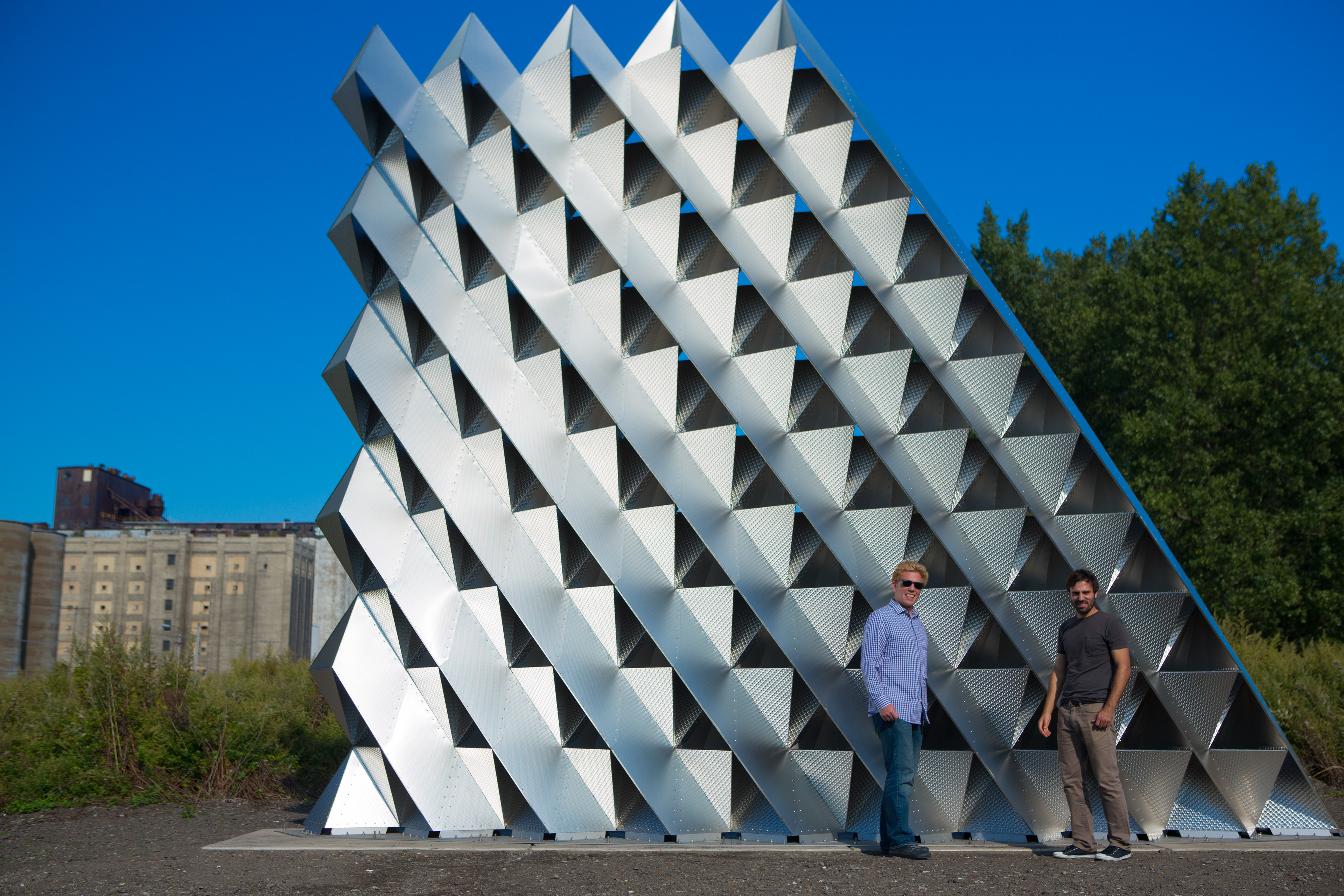
Folded steel sculptural wall by Chris Romano and Nick Bruscia
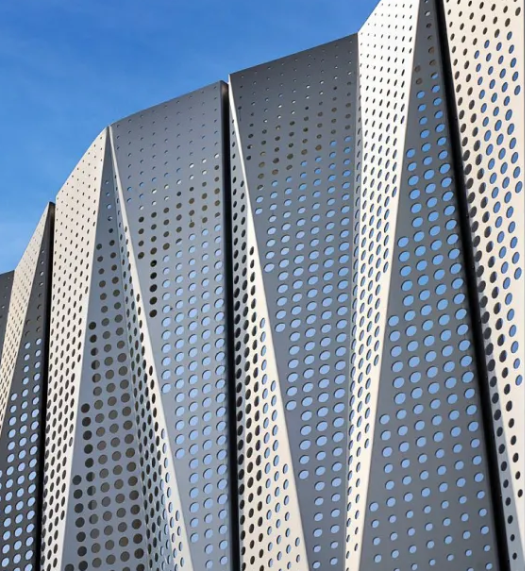
Facade of Missouri Public Library by CALISTI architecture+design
Stage 3: Full-Scale Design and Assembly
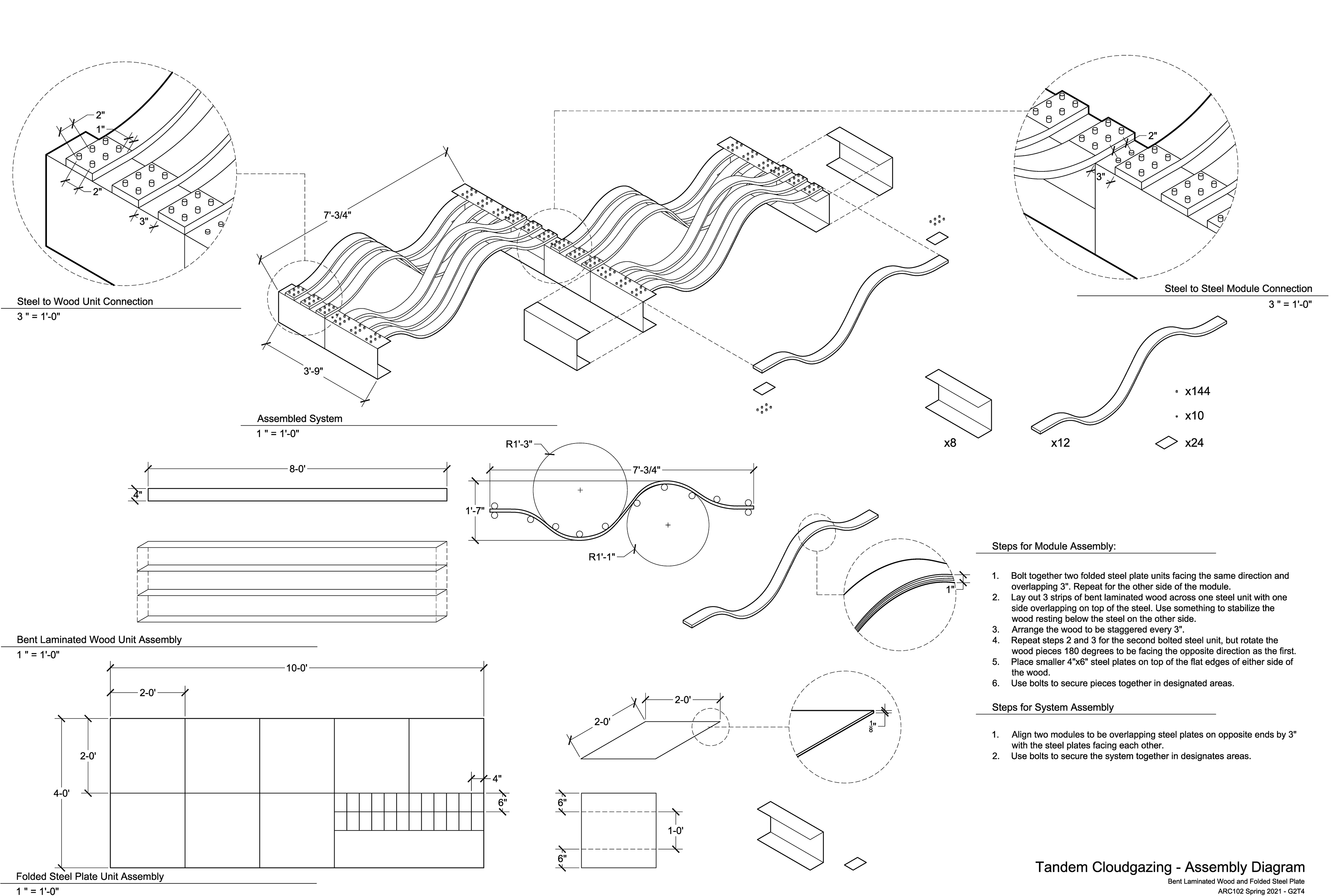
Tandem Cloud gazing Bench Module Assembly Diagram by Hannah Jo Ruth and Carol Mary Thomas.
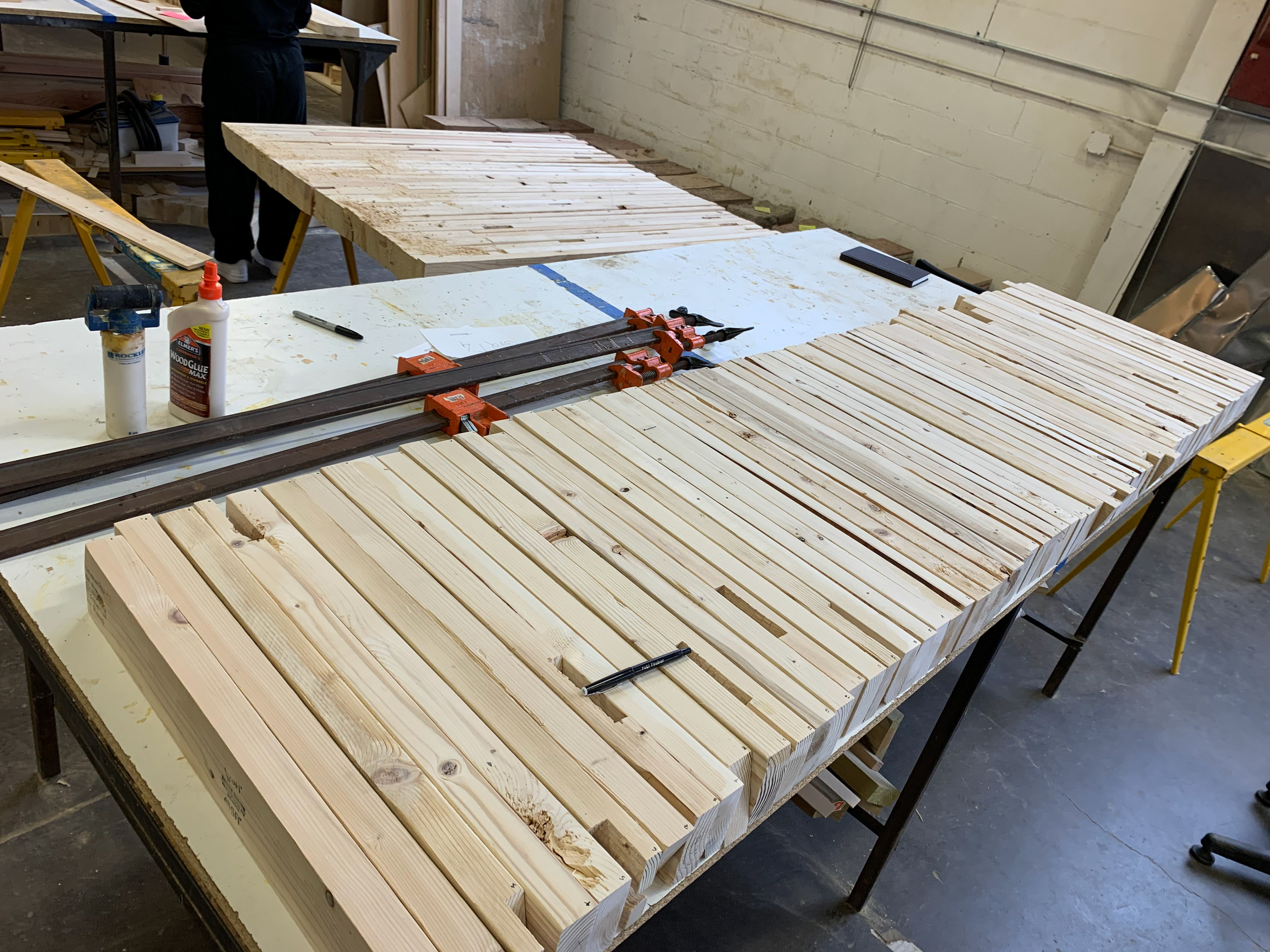
A jig of 58 plywood panels was set up to create bent laminated wood
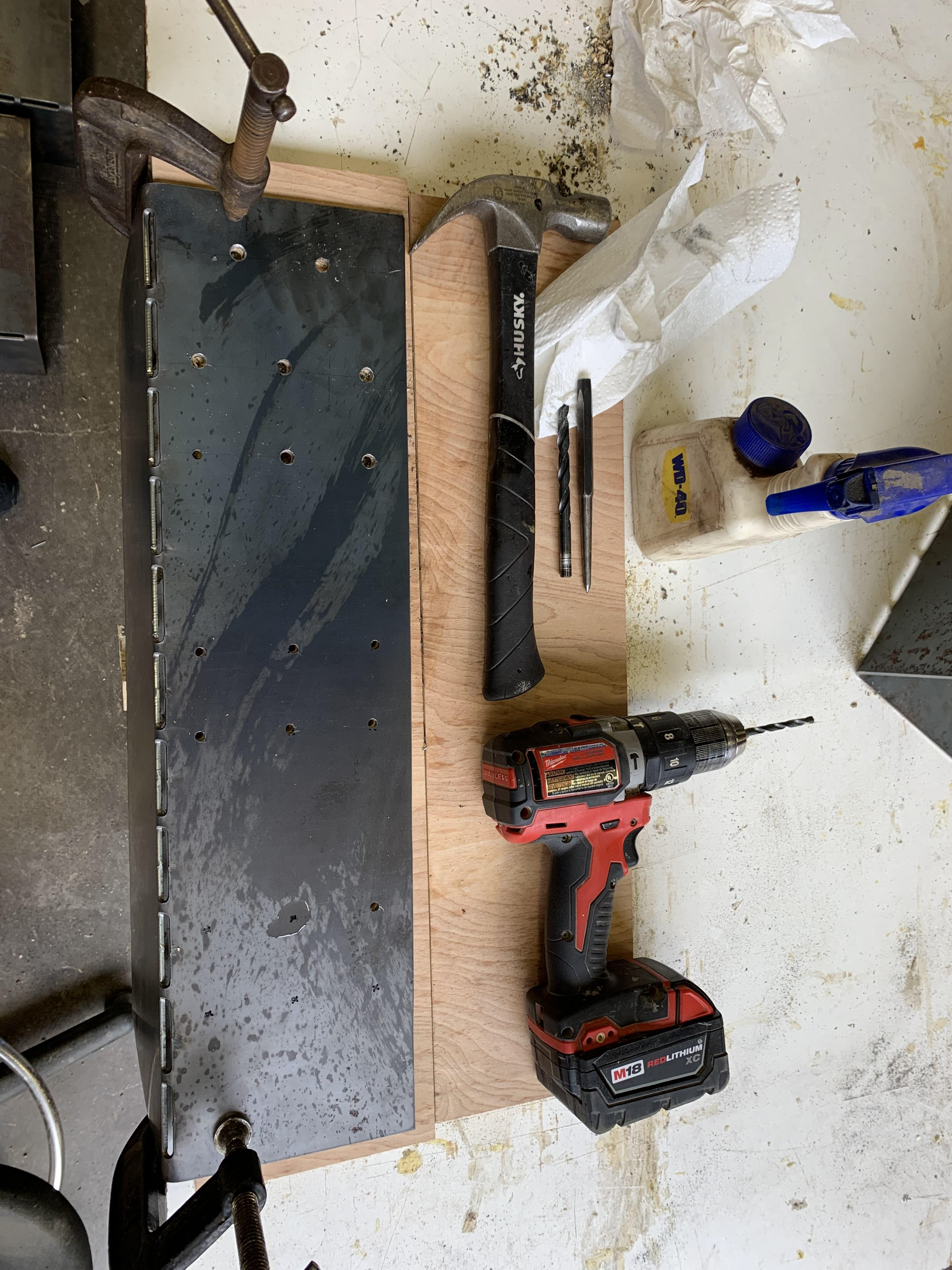
Steel plates were tested for tensile strength and then drilled for hardware connections
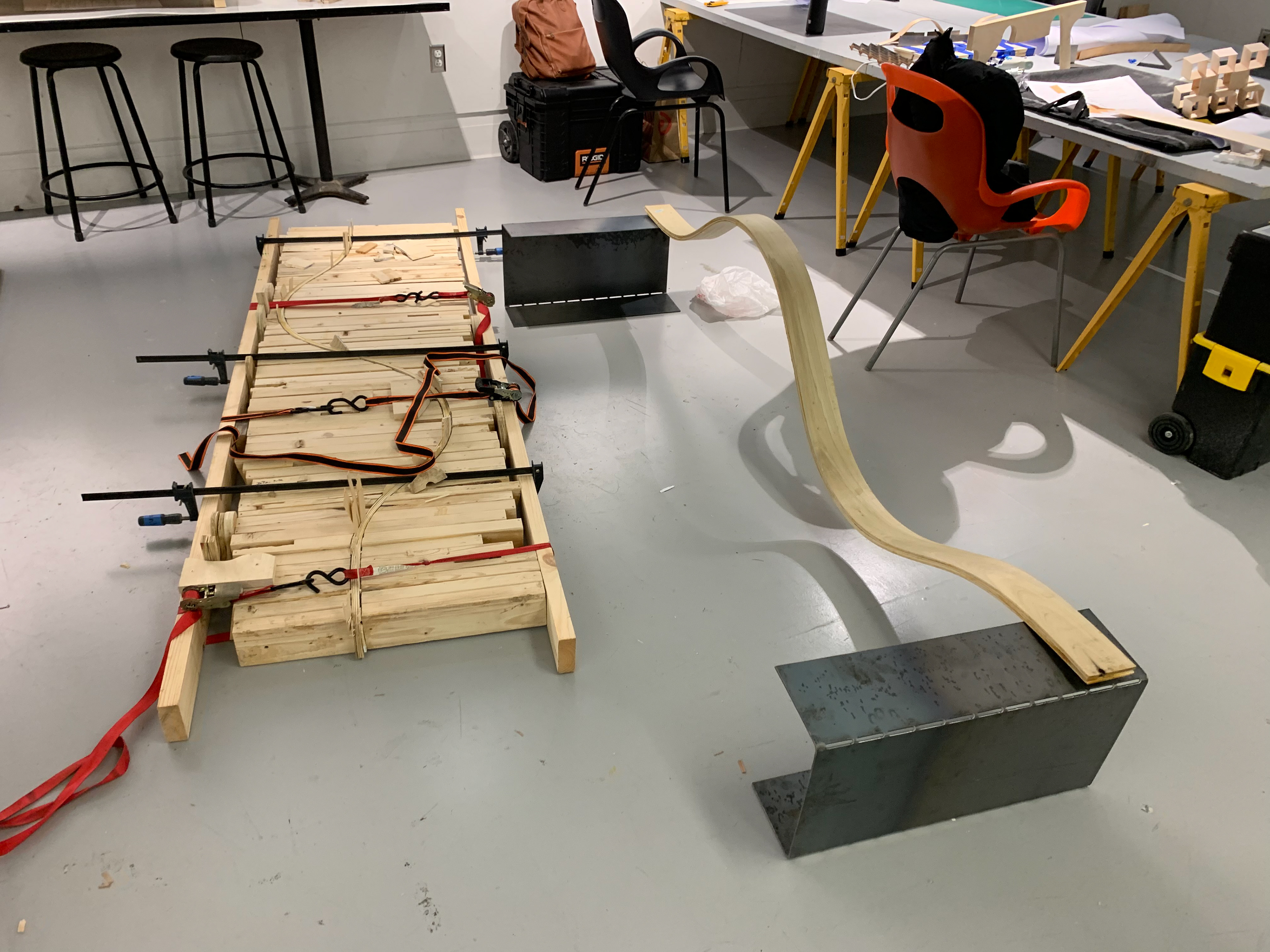
Prototype thickness for 1 bench module (3 strip layers)
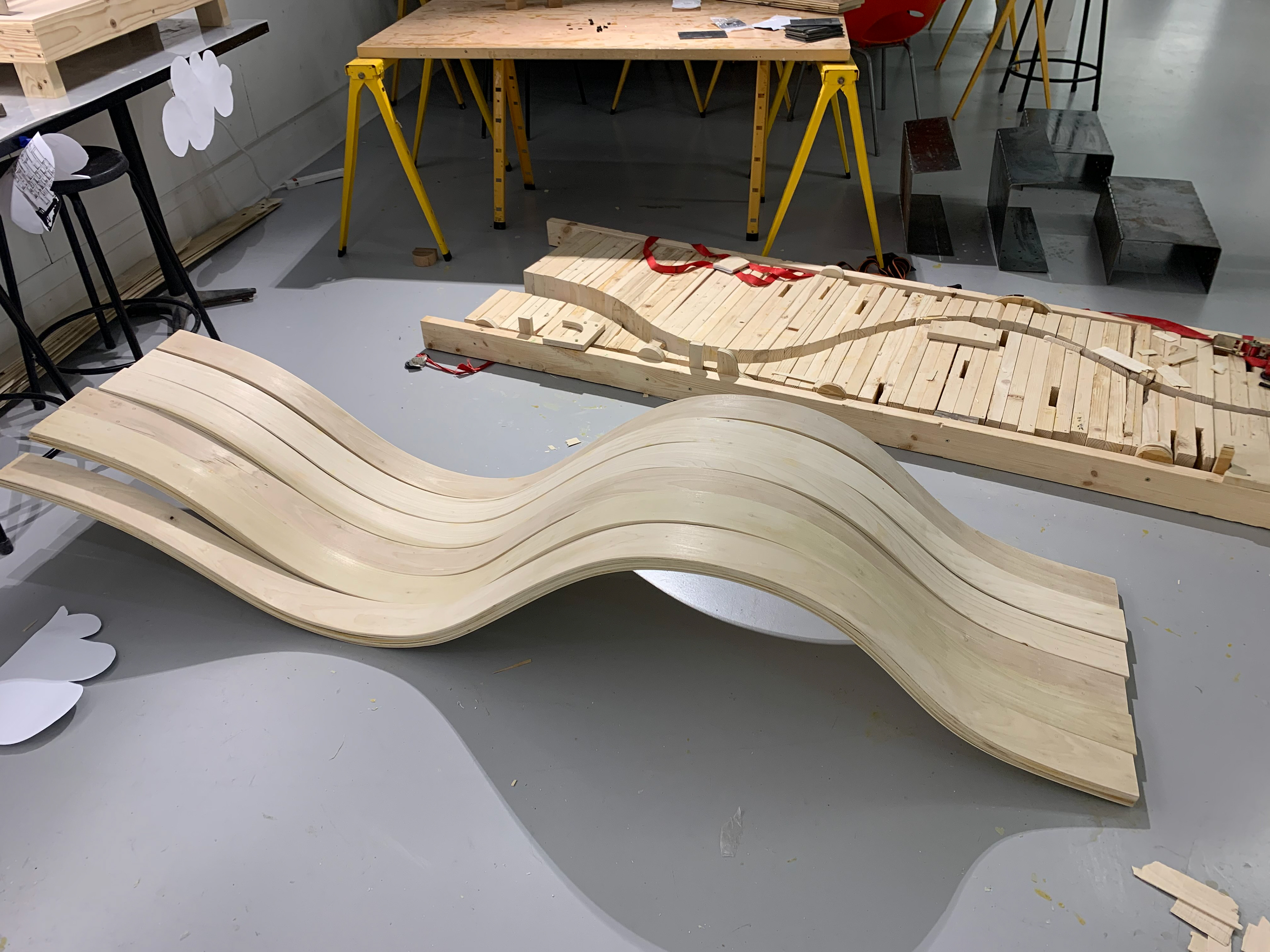
Final thickness for 1 bench module (8 strip layers) to accommodate the human body
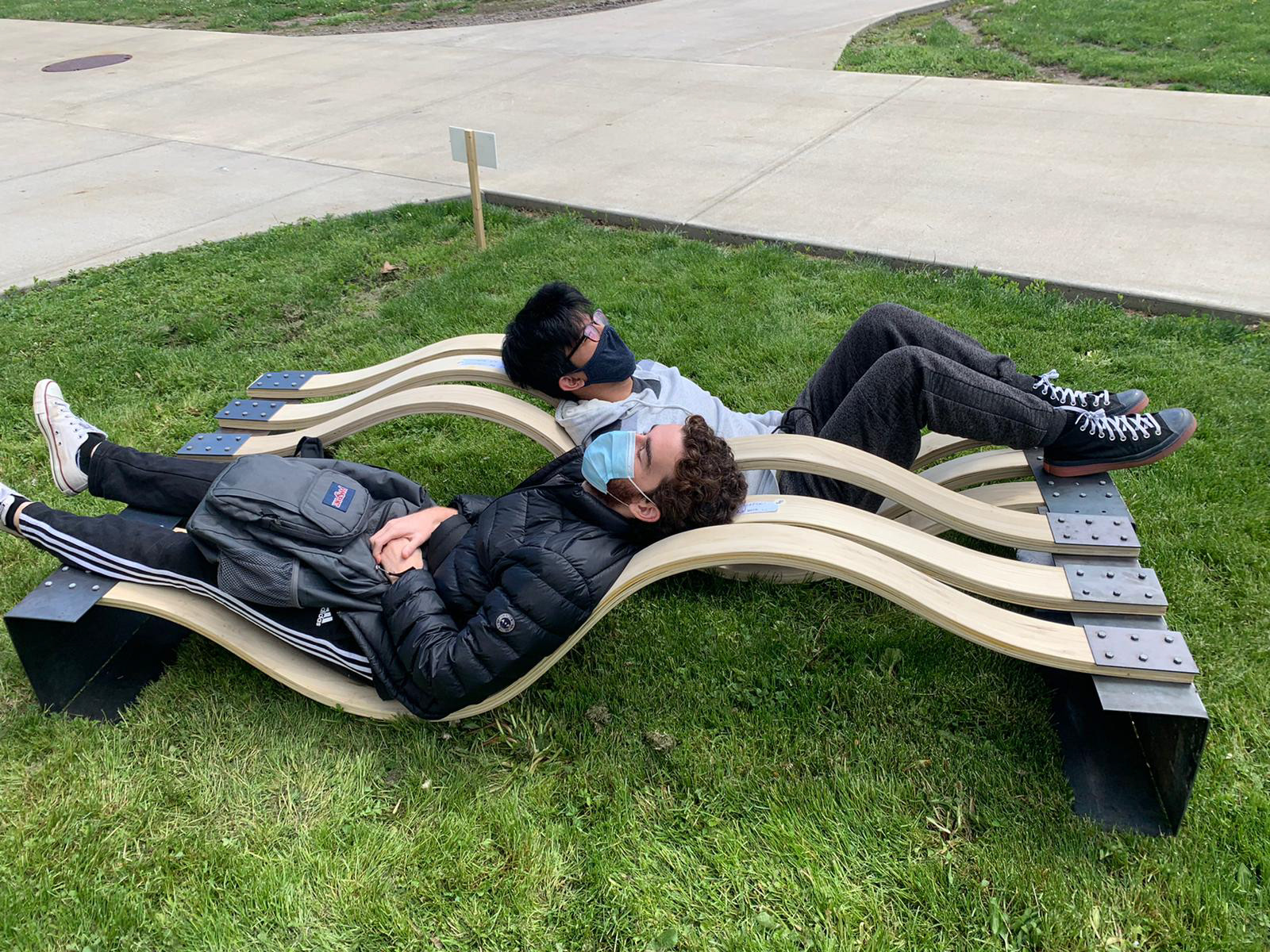
Bench testing by friends
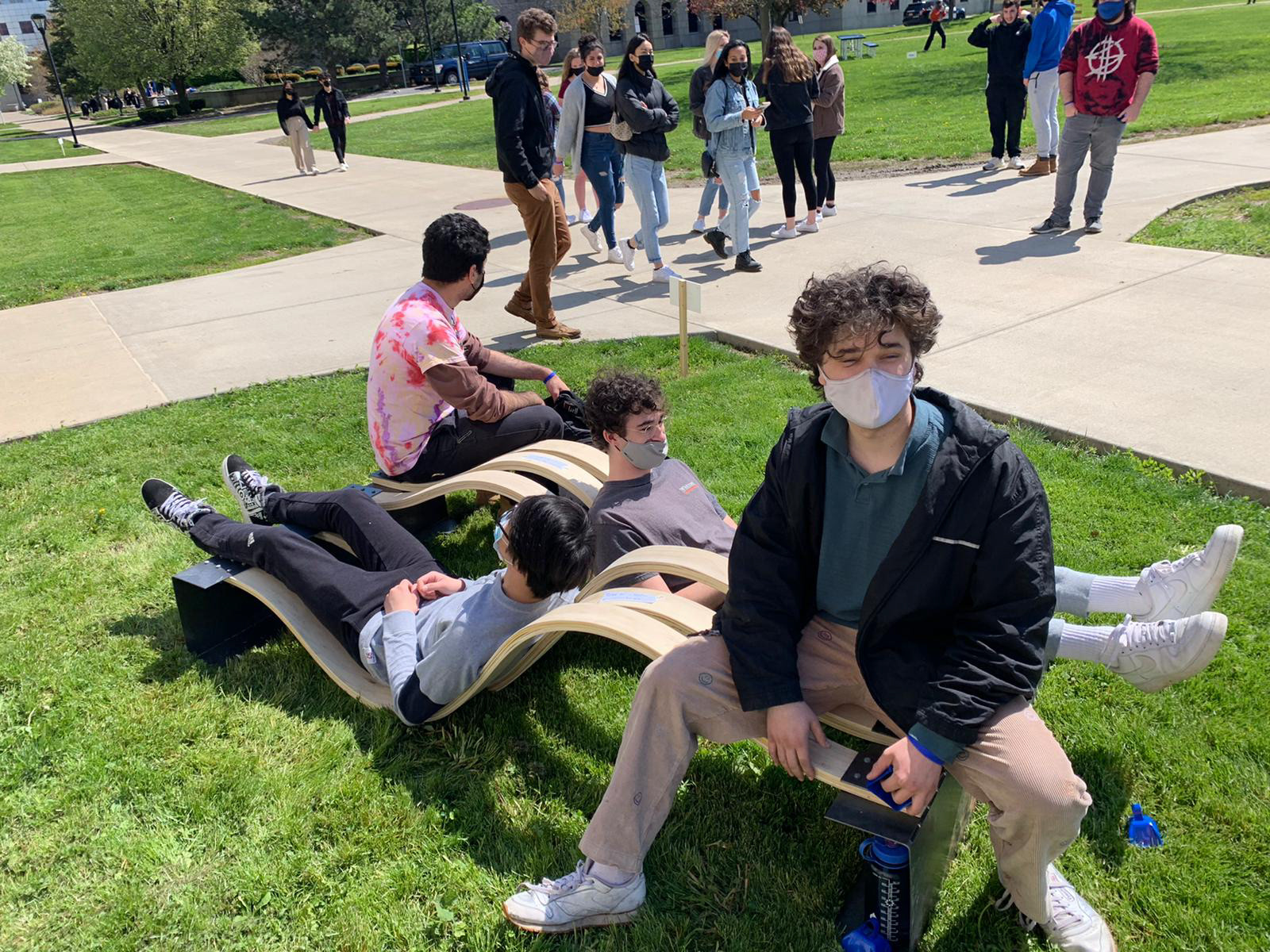
Bench testing by classmates
Design Collaborators: Carol Mary Thomas, Hannah Jo Ruth, Jolanta Volkova